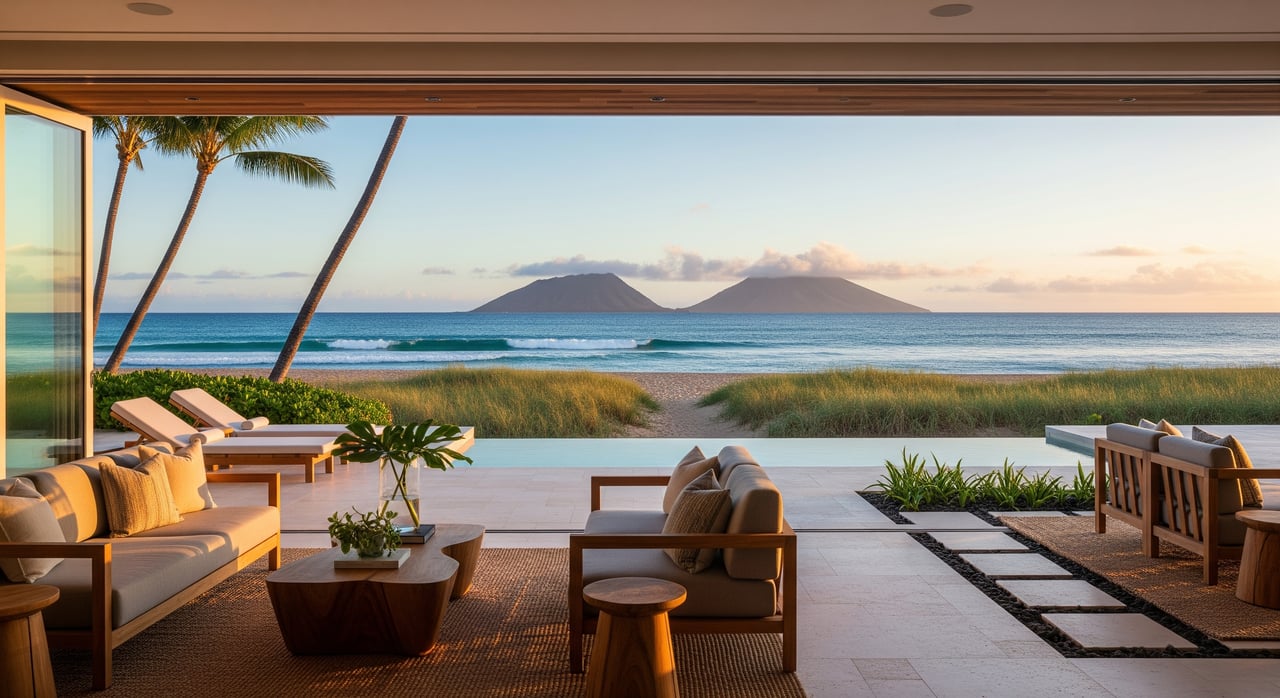
Trade winds, soft sand, and sunrise paddles make Kailua feel like a dream. If you are thinking about moving here, you probably want the real story on beaches, commutes, and day-to-day life. This guide gives you practical tips on ocean access, transportation options, schools, errands, and housing considerations so you can plan with confidence. Let’s dive in.
Kailua at a glance
Kailua is a predominantly residential community on Windward Oʻahu. You will find an outdoor-forward lifestyle with paddling, beach time, and nearby hiking. Many residents commute to jobs in Honolulu, central Oʻahu, or military bases. For current statistics like commute modes and work-from-home rates, use the U.S. Census American Community Survey for Kailua CDP.
Beaches and outdoor life
Kailua Beach Park
Kailua Beach Park is the community’s main ocean playground. You will see kayaking, stand-up paddling, and family beach days when trade winds are gentle. The park is managed by the city, and lifeguard coverage and park rules are posted by the City and County Parks and Recreation. Weekend and holiday parking fills fast, so plan an early start.
Lanikai Beach and the Mokulua Islets
Lanikai Beach is famous for powdery sand and sunrise views. Streets are narrow with residential parking rules, so be mindful of posted signs and noise. Many paddlers head to the Mokulua Islets, which are protected seabird sanctuaries. Review Hawaii DLNR seabird sanctuary guidance before you go and avoid disturbing wildlife.
Safety, parking, and stewardship
Ocean conditions change quickly. Check state beach water quality advisories after heavy rain and follow lifeguard guidance. Expect crowds during peak seasons, especially at Lanikai and Kailua Beach Park. Practice simple etiquette: arrive early, park legally, pack out trash, and give sea turtles and seabirds plenty of space.
Commuting from Kailua
Primary routes and travel patterns
Most Kailua commuters drive private vehicles to work. The main routes into Honolulu are the Pali Highway, Likelike Highway, and H-3. Traffic is heaviest at typical rush hours, and closures can occur after storms, rockfalls, or incidents. For route updates and projects, check the Hawaii Department of Transportation.
Bus, bike, and alternatives
Kailua is served by TheBus with routes to downtown Honolulu and other hubs. Service is less frequent than in urban Honolulu, so confirm peak times and connections on TheBus schedules. Biking and e-bikes work well for in-town errands and school drop-offs, but wind and rain can affect feasibility. There is no regular commuter ferry at this time.
Weather and reliability
Storms and heavy rain can affect the mountain passes, which may delay travel. Build buffer time into school and work routines, especially during winter weather. Families often plan backup options for childcare pickup and activities on days with traffic alerts.
Daily living and amenities
Kailua Town and shopping
Kailua Town is your main hub for groceries, coffee, and everyday errands. You will find supermarkets, local retailers, and services along Kailua Road and Kalaheo Avenue. For weekly markets and community events, check the Kailua Chamber of Commerce.
Parks, pools, and clubs
Kailua District Park and neighborhood playgrounds host youth sports, classes, and paddling programs. Public pool access, canoe clubs, and coastal paths keep outdoor time easy. Many favorite hikes are within a short drive when you want a change from the beach.
Schools and childcare
Public schools in Hawaii are assigned by residential address within a single statewide district. Use the Hawaii DOE school locator to verify which schools serve a specific Kailua address. Private and preschool options exist across Windward Oʻahu, and waitlists can occur, so start early.
Healthcare and libraries
Kailua has primary care and urgent care clinics, and Windward Oʻahu is served by a full-service hospital. For specialized treatment, many residents go into Honolulu. The local public library branch offers programs and a quiet space for study or remote work.
Housing types and what to expect
Home styles and lots
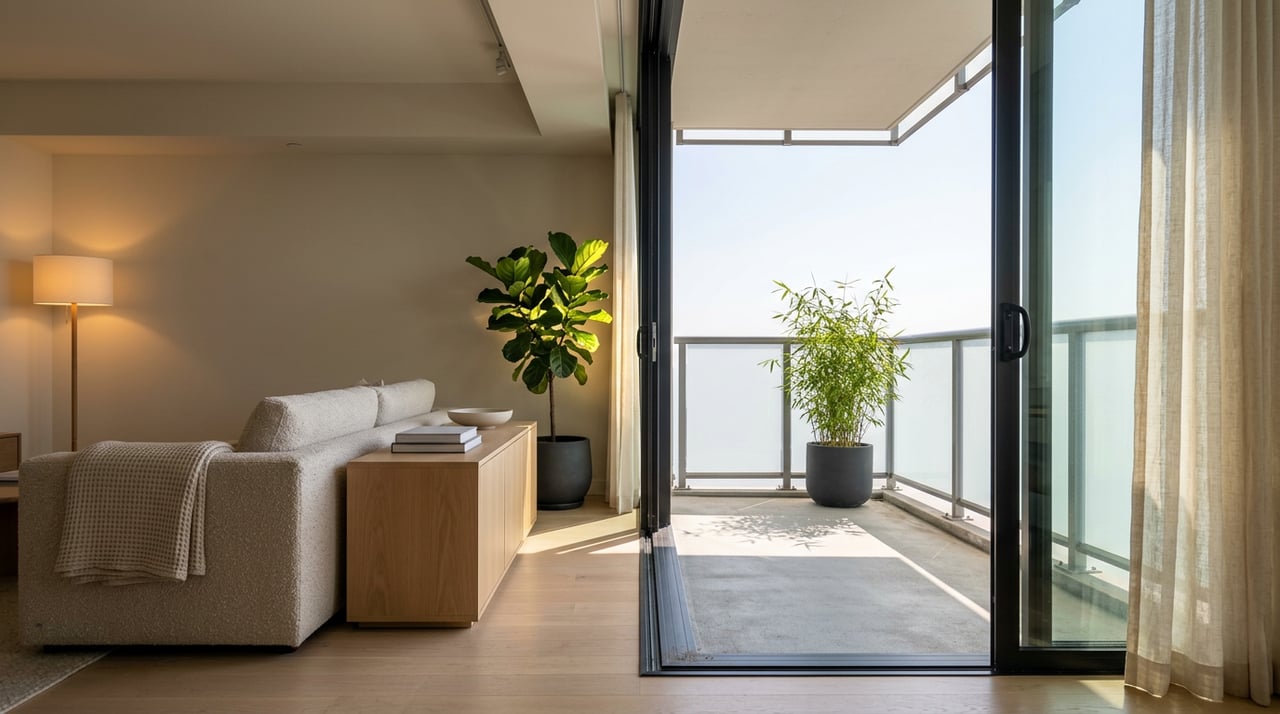
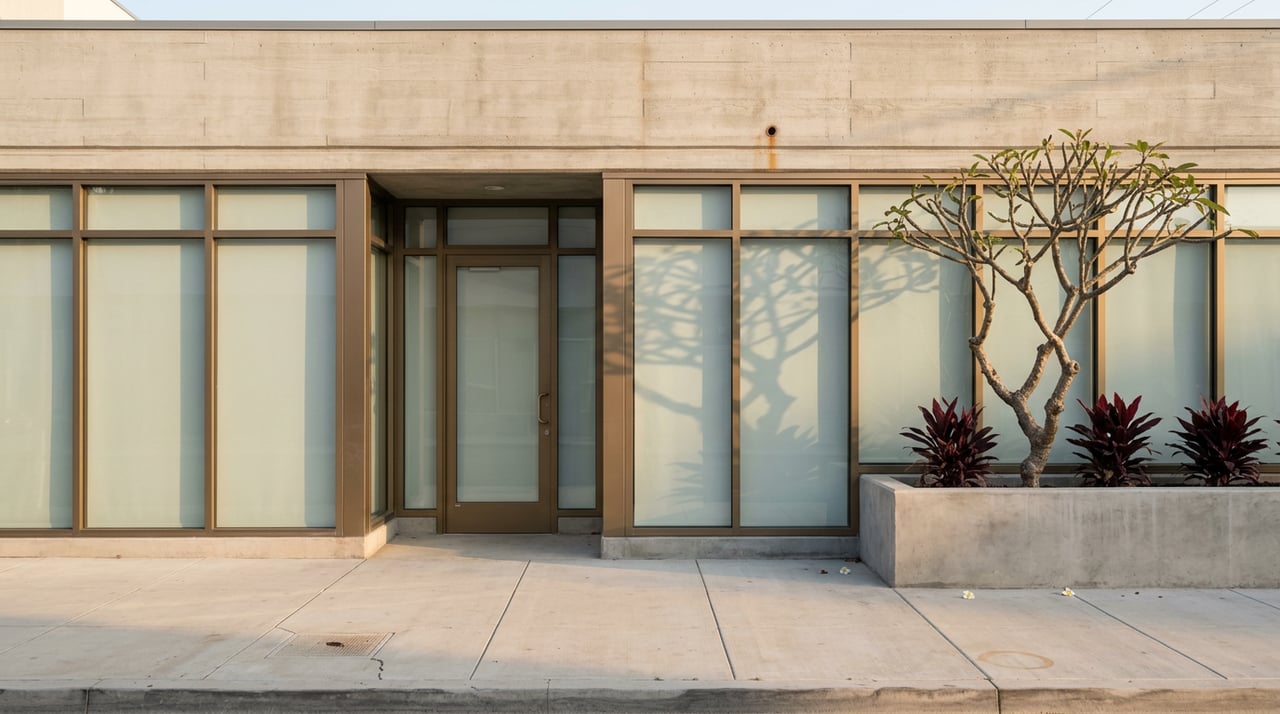
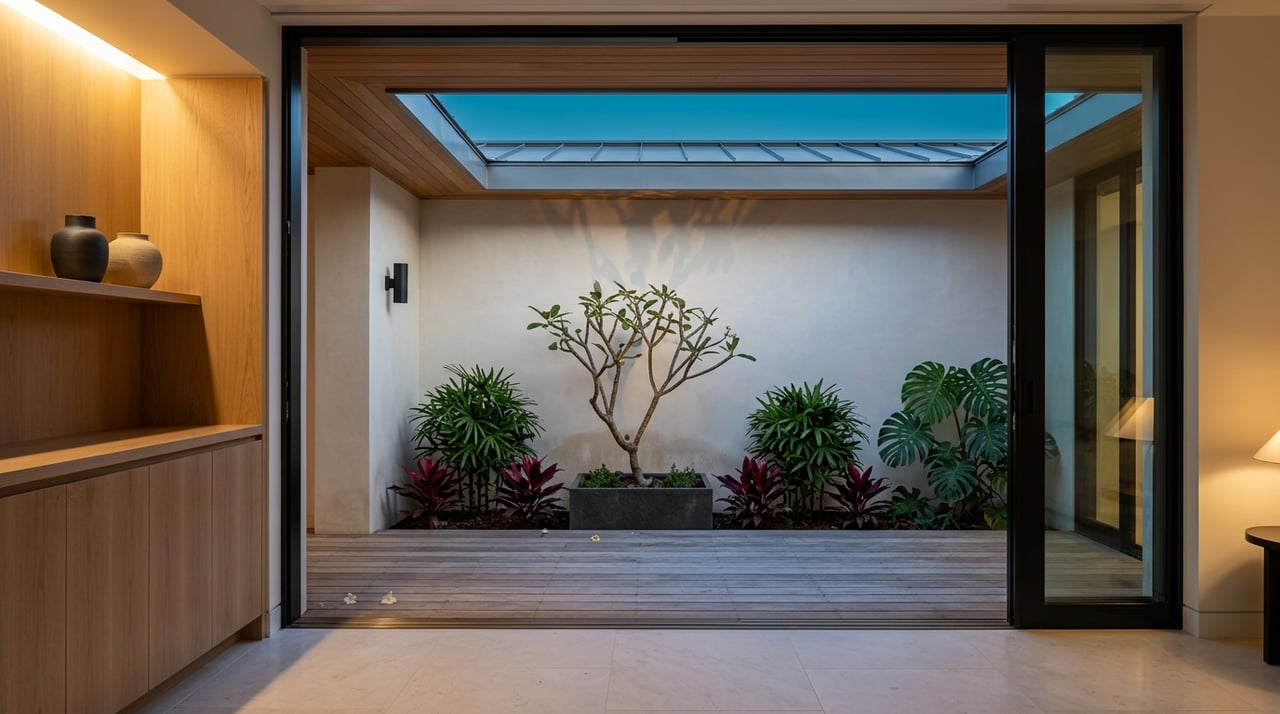
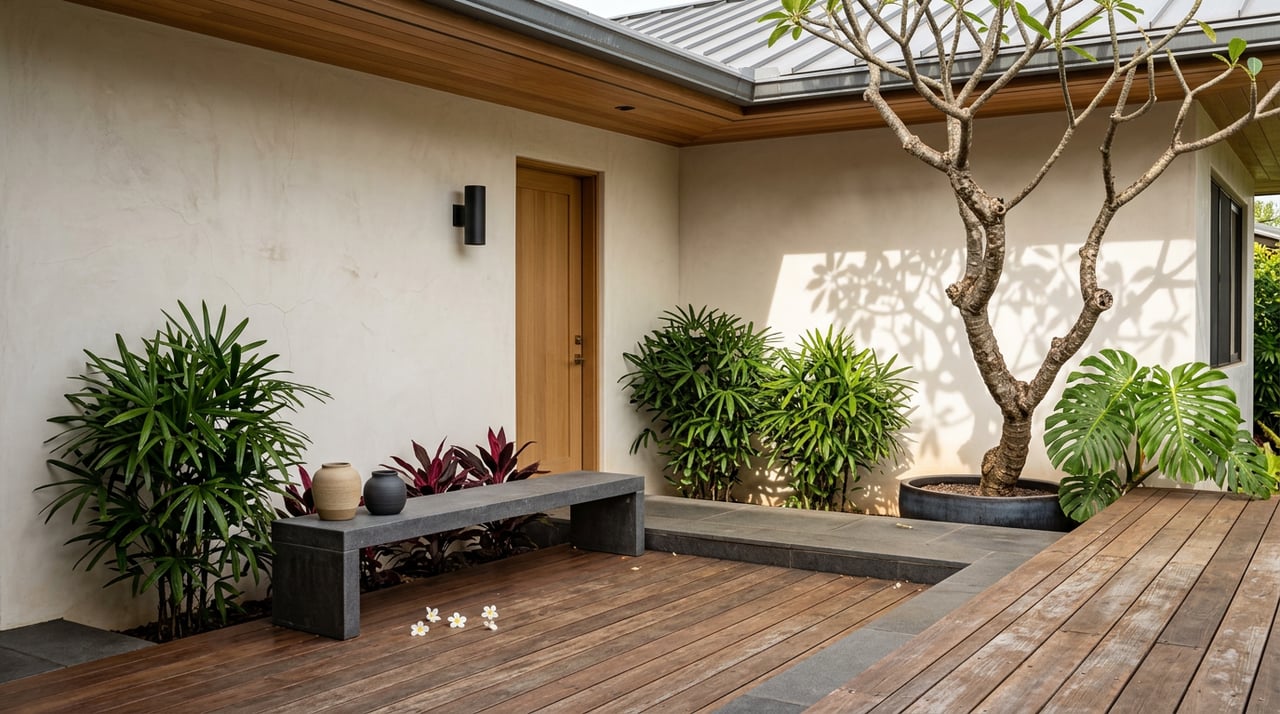
You will find single-family homes from post-war bungalows to renovated mid-century designs, plus townhomes and low-rise condos near the commercial core. Beach-adjacent properties tend to command a premium. Inland neighborhoods often offer larger lots and yards.
Renovation and maintenance
Many homes are older, so budget for updates. Common projects include wind-resilient improvements, moisture control, and termite inspections. Ask about roof age, drainage, and storage for ocean gear and bikes. If you consider a condo or townhome, review HOA rules and fees.
Short-term rentals and zoning
Short-term rentals are regulated on Oʻahu. Before you plan any rental income, review the Honolulu short-term rental rules and confirm zoning and permits for a specific property. Owners who operate legal short-term rentals must comply with Transient Accommodations Tax requirements and any applicable general excise tax rules.
Flood and shoreline considerations
Coastal areas can face erosion and flood risk. Check your property’s flood zone on the FEMA Flood Map Service Center and discuss insurance needs with a local agent. In shoreline areas, ask about setbacks, past wave run-up, and any certification or permit history before you buy.
A weekday in Kailua
Picture an early paddle when the water is calm. You rinse gear, swing by a local café, and handle school drop-off. Depending on your plan, you head over the Pali for office time or log on from a dedicated home workspace. After work, you pick up produce at a farmers’ market, hit the park, and catch a breezy sunset walk along the beach.
Is Kailua a fit for you?
If you value easy ocean access, a friendly town core, and a manageable commute plan, Kailua is a strong contender. Set your expectations for seasonal crowds, variable traffic, and higher home prices near the coast, and you can build a daily routine that feels balanced. When you are ready to explore homes, schools, and commute trade-offs in detail, connect with a local expert who knows the nuances street by street.
Expect better. Schedule your free market consultation with Jaymes Song to map your Kailua move with clarity and confidence.
FAQs
How long is the commute from Kailua to downtown Honolulu?
- Most residents drive via the Pali, Likelike, or H-3, with travel times affected by rush-hour traffic and weather; check the Hawaii Department of Transportation for corridor updates and plan buffers during peak periods.
Are Kailua and Lanikai beaches crowded on weekends and holidays?
- Yes, parking fills early at both beaches; follow city park rules from Parks and Recreation and arrive early to find legal parking and lighter crowds.
Which public schools would my child attend in Kailua?
- School assignments are address-based in Hawaii’s statewide system; use the Hawaii DOE school locator to confirm exact elementary, middle, and high schools.
Does Kailua have public transit to Honolulu job centers?
- Yes, TheBus connects Kailua to downtown and other hubs, though frequency is lower than urban routes; check TheBus schedules for current times and transfers.
Can I legally operate a short-term rental in Kailua?
- Only with proper zoning and permits; review Honolulu short-term rental rules and confirm taxes through Transient Accommodations Tax requirements before making plans.
Do I need flood insurance for a Kailua property near the beach?
- It depends on your flood zone; verify your location on the FEMA Flood Map Service Center and discuss coverage and costs with a local insurance professional.