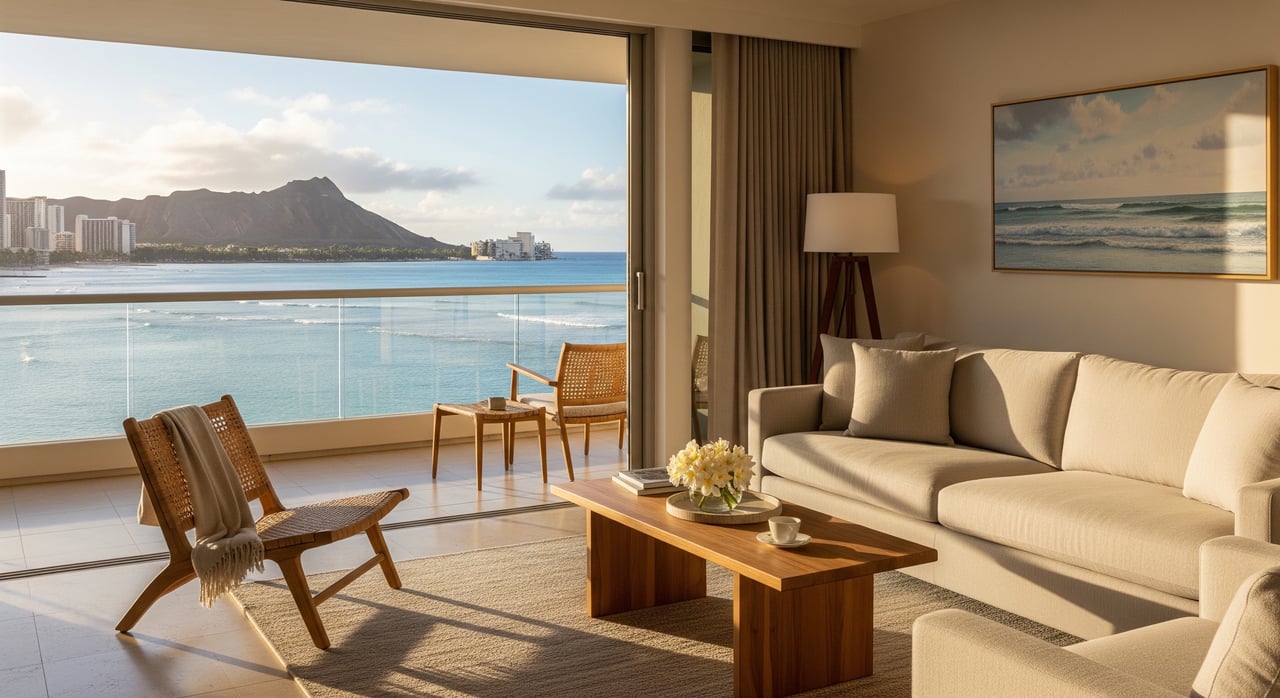
If you dream of grabbing a sunrise surf before work and walking to dinner after, Waikiki might be your sweet spot. You also know it is a major visitor hub, which means more energy, more convenience, and more noise than a typical neighborhood. You want the real story of what everyday life feels like, not just the postcard version. In this guide, you will get clear, practical insight into daily rhythms, housing realities, costs, and how to choose the right building for your lifestyle. Let’s dive in.
What everyday life feels like
Waikiki is a dense, beachfront neighborhood with high-rise condos, hotels, shops, and parks woven together. You feel the city’s pulse from morning through late evening, especially along Kalākaua and Kūhiō. The tradeoff is real. You gain walkable access to the ocean and amenities, and you live with a steady background hum of people, music, deliveries, and traffic.
Visitor volume shifts with holidays, events, and the winter travel season. Those seasonal patterns show up in hotel occupancy and foot traffic, which many residents notice on weekends and during peak travel months. You still find quieter pockets a few blocks off the main corridors, but the district remains active most days. For a sense of how visitor numbers ebb and flow across the year, review the Hawaii Tourism Authority’s visitor statistics.
A day-in-the-life snapshot
- Morning: Walk to the beach for a swim or paddle. Grab coffee, then head to work by foot, bike, or TheBus.
- Midday: Errands are simple. You can access groceries, pharmacies, and dining within a short walk.
- Evening: The waterfront and restaurant scene come alive. Expect more street activity near main corridors and hotel zones.
Housing and condo living
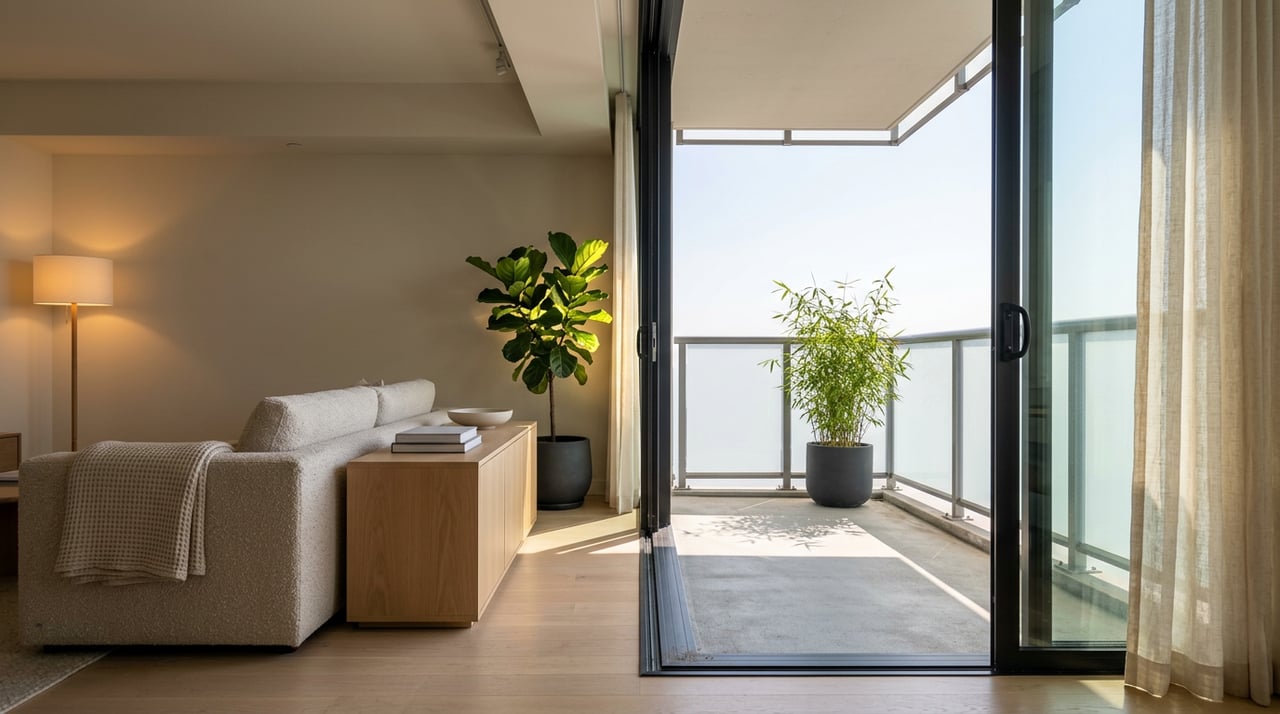
Most homes in Waikiki are condominiums in high-rise or mixed-use buildings. Studios and one-bedrooms are common, with some larger condos available. Single-family homes are rare within the core neighborhood.
Many buildings were constructed decades ago and have undergone rounds of maintenance. In a marine environment, concrete spalling, waterproofing, and elevator or façade projects are expected over time. That is why HOAs play a central role. Monthly fees vary by building and typically cover building insurance, common-area utilities, and amenities. Special assessments can occur for big repairs, so healthy reserves matter.
Storage is often tighter than mainland suburban homes. Parking can be assigned, unassigned, paid, or limited, depending on the building. If you own a car, confirm stall type and any guest or additional parking options before you buy.
What to ask before you buy
- What are current monthly HOA fees and what do they include?
- Are there planned special assessments or major projects underway?
- How has the building addressed waterproofing, façade, roof, or elevator work?
- What is the parking situation, guest policy, and stall ownership details?
- What is covered by the building’s insurance versus your unit policy?
- Are short-term rentals allowed by both county rules and building bylaws?
Getting around
You can live car-light in Waikiki. The area is highly walkable for daily needs and the beach. Public transit is frequent, and ride-hailing is widely used. Review routes and schedules on TheBus official site to see how your commute lines up.
If you commute out of Waikiki, expect normal Honolulu rush-hour traffic on main arteries. Your experience will depend on direction and timing. Some residents shift hours earlier or later to avoid peak congestion.
Daily amenities and services
Beach and water time
Waikiki Beach and its adjacent stretches are public, with lifeguards in busy zones. Summer often brings smaller south swells that suit beginners and standup paddlers. Winter can bring larger surf and stronger currents. Environmental conditions can change after storms. For current advisories and water-quality updates, check the Hawaii Department of Health’s Clean Water Branch.
Groceries and dining
You will find neighborhood groceries, convenience stores, and a wide range of eateries, from local plate lunch to hotel dining. For bigger shops and specialty items, many residents make short trips to nearby districts like Ala Moana. Food prices can feel higher than on the mainland due to shipping and island logistics.
Healthcare, schools, and services
You are within reasonable proximity to Honolulu’s major hospitals, clinics, and specialty care. Public school options are limited within Waikiki’s compact geography, so families often review enrollment zones or consider private schools or commuting elsewhere on Oʻahu. For emergencies, be familiar with evacuation postings and alerts. Tsunami evacuation zones are published and updated by local and federal agencies. You can explore mapping resources through NOAA’s tsunami evacuation maps.
Costs and budgeting
Hawaii’s cost of living is higher than many mainland markets, and Waikiki pricing reflects demand for a walkable, ocean-adjacent lifestyle. Housing and rent levels vary by building, view, and age. Groceries, services, and goods can cost more due to shipping and supply.
Electricity rates in Hawaii rank among the highest in the nation. Air conditioning usage, building systems, and whether utilities are included in HOA fees can materially change your monthly budget. For statewide context, review U.S. Energy Information Administration data for Hawaii.
Hawaiʻi does not have a traditional sales tax. Instead, it levies a General Excise Tax on business activity. If you plan to rent your unit, you should also understand lodging taxes and classification rules. Start with the Hawaii Department of Taxation’s GET overview. Property tax rates are set by the City and County of Honolulu and vary by classification and exemptions. See the county’s Real Property Tax resources for current guidance.
Insurance and financing deserve early attention. Near-shore buildings can have flood or wind exposure that affects premiums. Lenders may apply stricter criteria for older buildings or those with weaker reserves. Ask your lender and insurance provider to review the building’s profile early in your process.
Risks and preparedness
Tsunami, storm surge, and coastal flooding are relevant risks for near-shore properties. Strong storms are less frequent than in some regions but remain a real consideration. City and federal resources provide evacuation maps and alerts to help you plan. Keep a go-bag, review your building’s emergency procedures, and know your route to higher ground. For mapping and safety context, use NOAA’s evacuation resources.
Water quality, coral health, and beach conditions vary with storms and runoff. You may see periodic advisories or restoration work along the shoreline. On land, Waikiki experiences property crimes typical of busy visitor districts, such as theft from vehicles when valuables are visible. For current data, review Honolulu Police Department crime statistics. As in any city, simple precautions help.
Short-term rental reality
Rules for short-term rentals have evolved over time and are actively enforced. Never assume a unit can be used as a vacation rental. You must confirm county regulations, building bylaws, and any permits before you buy. Start with the City’s guidance here: Honolulu Department of Planning and Permitting short-term rentals. Then verify the building’s specific policies, minimum stay requirements, and any restrictions.
Who thrives in Waikiki
- Ocean-first minimalist: You want a lock-and-leave condo, easy beach access, and a walkable routine. You accept nightlife noise in exchange for sunrise swims and sunset walks.
- Digital professional or commuter: You work remotely or commute to Honolulu’s business districts and value quick transit options and dining variety.
- Investor-owner: You prioritize building financials, reserves, and rental policies. You follow tax guidance for GET and lodging taxes and choose a building that aligns with your strategy.
- Urban family: You weigh proximity to work and amenities against school logistics and may plan for commutes to schools elsewhere on Oʻahu.
How to choose the right building
You can make a great choice by pairing lifestyle preferences with smart due diligence.
- Clarify lifestyle must-haves
- Beach proximity vs. quieter side streets.
- On-site amenities vs. lower monthly fees.
- Assigned parking vs. car-light living.
- Visit with intention
- Tour at multiple times of day, including weekend evenings.
- Walk the block to gauge delivery noise, nightlife, and bus stops.
- Check cell service, elevator wait times, and lobby activity.
- Review documents and budgets
- Request the HOA budget, reserve study, and recent meeting minutes.
- Ask for a list of completed and upcoming capital projects.
- Confirm what utilities and insurance coverages the HOA provides.
- Verify rules and risk
- Confirm short-term rental rules with both the county and the building.
- Ask your insurer for a preliminary quote for unit coverage.
- Check flood and tsunami evacuation mapping to understand your risk profile.
- Plan your logistics
- Confirm your parking stall, guest policy, and any fees for extra parking.
- Ask about storage cages, bike rooms, or nearby storage options.
- Obtain sample utility bills from current residents or property management.
The bottom line
Waikiki offers a rare blend of ocean access, urban convenience, and a year-round energy you will not find in quieter neighborhoods. The tradeoff is higher costs, visitor activity, and a condo-centric lifestyle with HOA responsibilities. If you understand those realities and choose the right building, Waikiki can be an incredible place to live.
Ready to evaluate specific buildings and compare options by fees, reserves, and location? Connect with Jaymes Song for a clear plan and a data-informed tour list tailored to your goals.
FAQs
Is Waikiki a good place to raise kids?
- Families live here, but public school options within Waikiki are limited; many parents consider commuting to schools elsewhere or private schools while balancing the benefits of walkable amenities.
How noisy is Waikiki at night if I live a few blocks from Kalākaua?
- Expect ongoing street activity from restaurants, nightlife, deliveries, and buses; visit your building at different times and review HOA rules and recent minutes to understand how noise is managed.
Can I use my Waikiki condo for short-term rentals like Airbnb?
- Do not assume yes; verify county rules and permits using Honolulu’s DPP STR guidance and confirm the building’s bylaws and minimum-stay policies before you buy.
How much are typical HOA fees in Waikiki?
- Fees vary widely by building, amenities, and what utilities are included; request the HOA budget, reserve study, and recent minutes to see current dues and any planned assessments.
Do I need a car if I live in Waikiki?
- Many residents walk, bike, or use TheBus; if you keep a car, confirm your assigned stall and any costs for extra or guest parking.
What natural hazards should I plan for in Waikiki?
- Understand tsunami, storm surge, and coastal flooding exposure using NOAA evacuation maps and follow local alerts; keep a go-bag and review your building’s emergency plan.
Are electricity costs high in Waikiki condos?
- Hawaii electricity rates are among the highest nationally per the U.S. Energy Information Administration; ask for sample utility bills and check what is included in your HOA dues.