Thinking about a townhome or a single-family home in West Oahu and not sure which fits your life best? You’re not alone. Many buyers compare Waipahu, Kapolei, and Ewa options with the same goals: keep monthly costs predictable, reduce commute stress, and enjoy the right amount of space and control. This guide breaks down real costs, HOA dynamics, maintenance needs in Hawaii’s climate, and commute trade-offs so you can choose with confidence. Let’s dive in.
What fits your West Oahu life
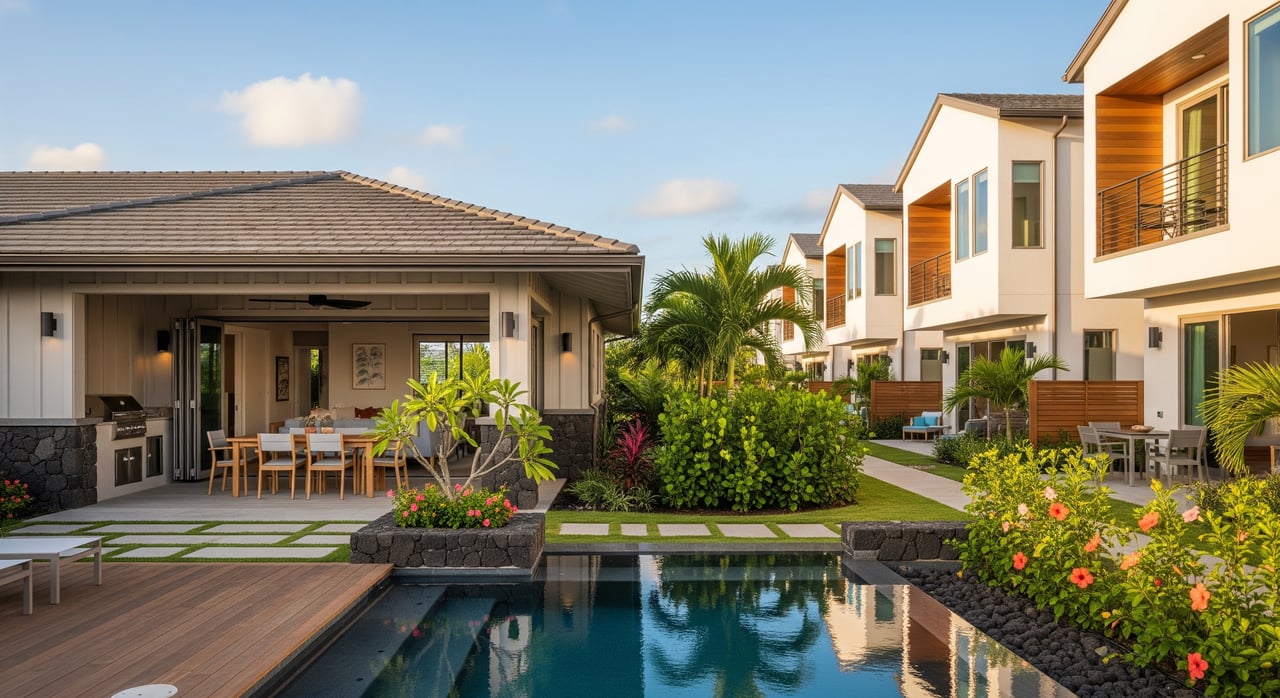
West Oahu blends master-planned single-family neighborhoods with a large selection of townhomes and condos built from the 1990s to the 2010s. You’ll find many attached options near Kapolei and Ewa, along with established and newer single-family areas in and around Waipahu. Buyers often include young families, relocators, and military households seeking proximity to West Oahu jobs and base access.
In most markets, single-family homes carry higher purchase prices and land value, while townhomes usually offer a lower entry point and less exterior upkeep. Inventory shifts and new-home incentives can widen or narrow the price gap. If you want up-to-date numbers, compare recent local market reports and closed comps for your micro-area.
Total cost of ownership
When you compare a townhome to a single-family home, evaluate the full monthly picture:
- Mortgage principal and interest
- Property taxes (annual, usually escrowed monthly)
- Homeowner’s insurance and any flood or hurricane coverage
- HOA dues (if applicable)
- Utilities: water, sewer, trash, electricity, gas
- Maintenance and repairs, plus reserves for big-ticket items
- Transportation and commute costs: fuel, parking, vehicle wear
- Potential special assessments in an HOA
A simple framework helps you compare apples to apples:
- Monthly housing cost = mortgage payment + (annual property tax ÷ 12) + (homeowner’s insurance ÷ 12) + HOA dues (if any) + a monthly maintenance reserve.
- Commute cost = fuel cost + parking + a monthly estimate for vehicle wear and maintenance.
How HOAs shift costs
Townhome HOAs often cover exterior elements such as roofing, landscaping, and common areas. This can reduce your out-of-pocket maintenance but increases your monthly dues. In West Oahu, townhome dues can range from the low hundreds per month to $500–$800+ for communities with pools and extensive amenities. Single-family HOAs, when present, are often lower but vary by community.
Also review the risk of special assessments. Low reserves or big capital projects can lead to one-time fees. Ask for the latest budget, reserve study, and meeting minutes to spot red flags.
HOA rules and financial health
Not all associations are alike. Condominium and townhome associations typically handle building exteriors, roofing, common landscaping, and amenities. Single-family associations may focus on common area upkeep and community standards. Your maintenance boundaries depend on the CC&Rs and house rules.
Key documents to review during due diligence:
- CC&Rs, bylaws, and rules: parking, pets, rental restrictions, architectural control
- Budget and financials: current reserves, income and expenses, recent reserve study
- Master insurance: coverage scope and deductibles, owner responsibilities
- Meeting minutes and litigation: upcoming projects, disputes, or legal issues
What to ask for in Hawaii
Hawaii statutes provide for condominium and planned community disclosures. Request the full association packet early in your escrow period. Ask for:
- Recent financial statements and the most recent reserve study
- Insurance declarations and a summary of owner vs association responsibilities
- Minutes from recent meetings and any notices of special assessments
Yard and maintenance trade-offs
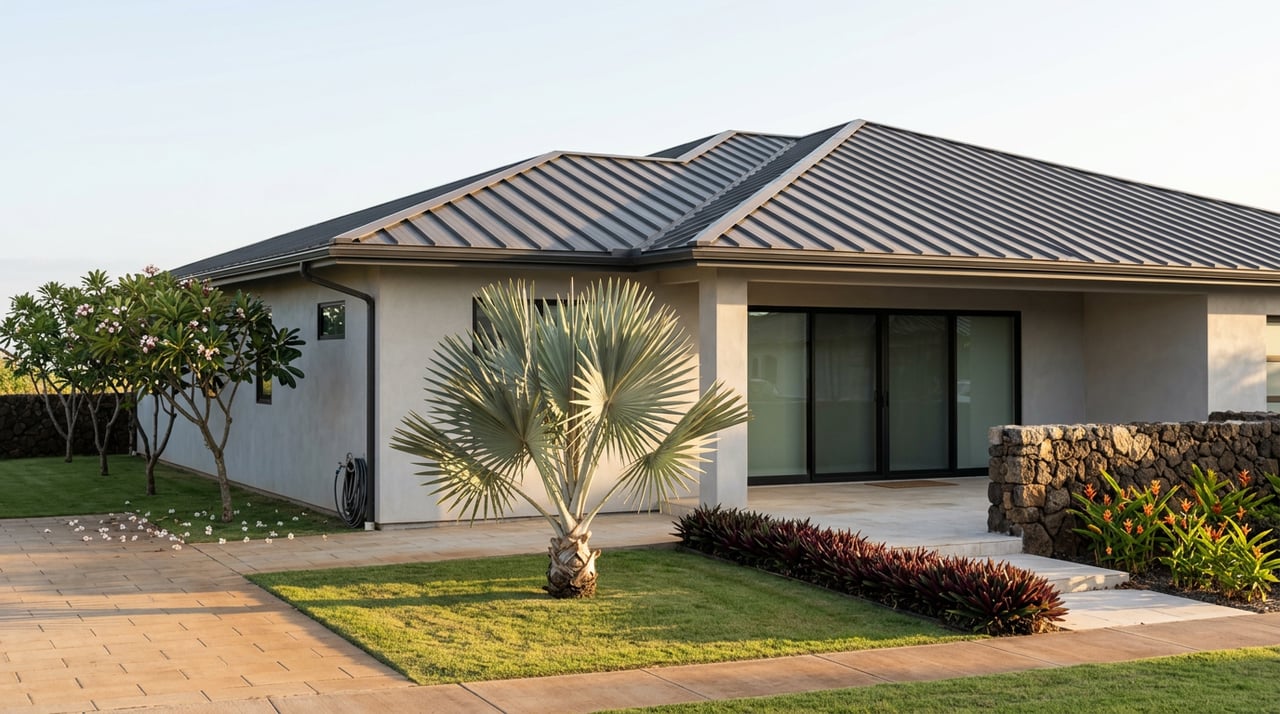
Single-family homes give you control over landscaping, fencing, and exterior upgrades. You gain privacy and flexibility, but you also budget for irrigation, lawn care, exterior paint, roofing, and pest control. A common rule of thumb for single-family maintenance is 1% to 2% of home value per year, which can run higher in tropical climates.
Townhomes often reduce exterior work. The HOA maintains common areas and building exteriors, and you focus on interior upkeep and small patios. You trade some control over exterior choices for more predictable monthly fees and less personal maintenance time.
Hawaii-specific maintenance factors
- Termites and WDO: Include a licensed termite inspection and budget for prevention or treatment.
- Humidity and mold: Hawaii’s humidity can shorten roof and paint life and increase mildew risk.
- Salt air corrosion: Properties closer to the coast can see faster wear on metal components and HVAC systems.
- Irrigation and water use: Larger yards mean higher water bills; plan for efficient landscaping.
- Mosquitoes and drainage: Proper grading and drainage reduce standing water and pests.
Inspections, insurance, and risk checks
Add these to your plan, regardless of product type:
- Licensed home inspection and termite/WDO inspection
- Insurance quotes from local carriers for homeowners and, if applicable, flood coverage
- Flood zone lookup for lender requirements and personal risk tolerance
- Review of coastal and drainage considerations in low-lying or reclaimed areas
Commute and lifestyle factors
Your commute can be as important as your mortgage. The H-1 is the primary route to central Honolulu and often experiences peak-hour congestion. The rail project and bus services continue to shape travel options. Park-and-ride and express bus routes can reduce the need to drive every day.
Parking and storage matter. Many single-family homes offer larger garages and more on-site parking. Townhomes may have fewer private spaces or narrower garages. If your household has multiple vehicles, factor parking capacity and costs into your decision.
Calculate your commute cost
- Test drive times door to door at your typical commute hours.
- Compare driving to transit options that serve your origin and destination.
- Estimate monthly costs: fuel, parking, and vehicle wear. Add the value of time saved if a location shortens your commute.
Decision framework: townhome vs single-family
- Budget and access: If your down payment is tight, a townhome may open the door to a neighborhood you prefer.
- Time vs control: Townhomes shift exterior work to the HOA for a monthly fee. Single-family homes give you control over the exterior and yard, with more time and cost responsibility.
- Lifestyle and space: Decide how much private outdoor space you truly want and will maintain.
- Rules and flexibility: Check rental, pet, and remodeling rules. Confirm if you can add structures, solar, or exterior changes.
- Commute trade-offs: Balance housing cost savings against commute time and transportation cost.
- Long-term value: Single-family homes on larger parcels often behave differently in appreciation and resale. Compare micro-markets before you decide.
Due-diligence checklist
- Request the complete HOA packet: CC&Rs, bylaws, rules, budget, reserve study, insurance declarations, minutes, and any litigation updates.
- Order a licensed home inspection and termite/WDO inspection.
- Verify property tax class and estimate annual taxes using county tools.
- Check flood zone and any coastal or drainage risk.
- Get homeowner’s and, if needed, flood insurance quotes from local agents.
- Ask about recent or pending special assessments and large capital projects.
- Run multiple commute tests at peak times for your specific route and evaluate parking availability.
- Compare recent closed comps for both townhomes and single-family homes in your target micro-area.
When you weigh total costs, HOA rules and health, maintenance obligations in Hawaii’s climate, and everyday commute time, the right fit usually becomes clear. If you need a local sounding board to pressure-test your choice or to line up the right inspections and HOA review, connect with Jaymes Song for expert guidance. Expect better. Schedule your free market consultation.
FAQs
What are typical HOA dues for West Oahu townhomes?
- Dues commonly range from the low hundreds per month to $500–$800+ in communities with extensive amenities, but always verify each association.
Do townhome HOAs cover exterior repairs in Waipahu?
- Many townhome associations maintain building exteriors, roofing, and common landscaping, while owners handle interiors; confirm the exact boundaries in the CC&Rs and rules.
What inspections should I budget for in Hawaii?
- Plan for a licensed home inspection plus a termite/WDO inspection, and consider ongoing pest control service given Hawaii’s climate.
How should I factor flood risk in Ewa or Kapolei?
- Check the property’s flood zone, price flood insurance if required by your lender or risk profile, and review local drainage conditions before you buy.
How does the Skyline rail impact a Waipahu commute?
- Service segments and schedules continue to evolve, so review the current rail map and timing, and compare it to door-to-door drive times during your commute hours.
Which holds value better: a townhome or single-family?
- It varies by micro-market, but single-family homes on larger parcels often behave differently in appreciation; compare recent closed comps in your target area.