Looking for a leafy Honolulu neighborhood with classic homes, quick city access, and a strong sense of place? Mānoa offers that mix, along with a lush microclimate and a daily rhythm shaped by the University of Hawaiʻi at Mānoa. If you want a home with character and a backyard that stays green year‑round, this guide will help you understand homes, schools, lifestyle, and the practical details that matter before you buy. Let’s dive in.
Mānoa at a glance
Set in a narrow valley just east of urban Honolulu, Mānoa blends residential streets with the flagship campus of the University of Hawaiʻi at Mānoa. The valley opens toward town, so you feel close to the city while surrounded by green ridgelines. It is one of Oʻahu’s wettest residential pockets, which keeps landscaping lush and temperatures a bit cooler than coastal neighborhoods.
Mānoa’s microclimate changes quickly from makai to mauka. Local history and research reference roughly 35 inches of annual rainfall near the H‑1 portal and about 106 inches per year near the valley head, plus occasional intense downpours during storms. UH researchers have developed high‑resolution rainfall datasets for Oʻahu that capture these steep gradients, a reminder to plan for moisture and drainage in any home here. You can learn more about the valley’s geology and rainfall patterns through resources from the Manoa Heritage Center and UH’s rainfall mapping work.
Homes and architecture
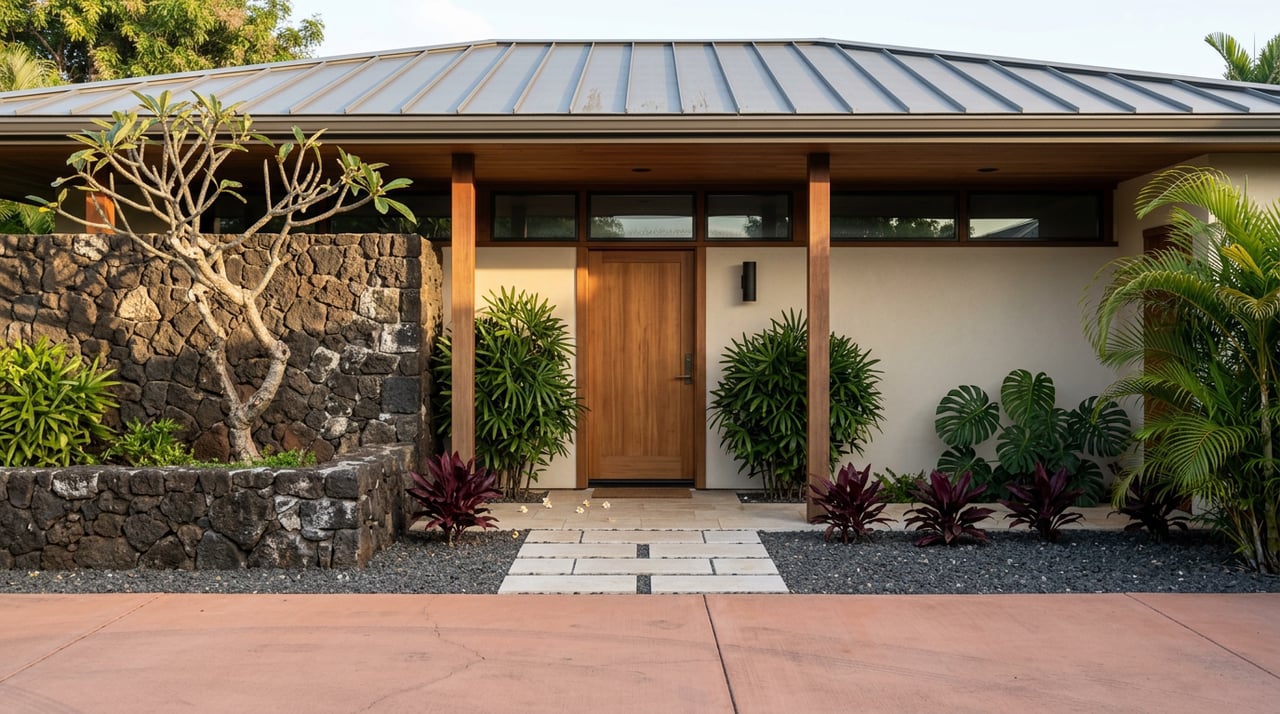
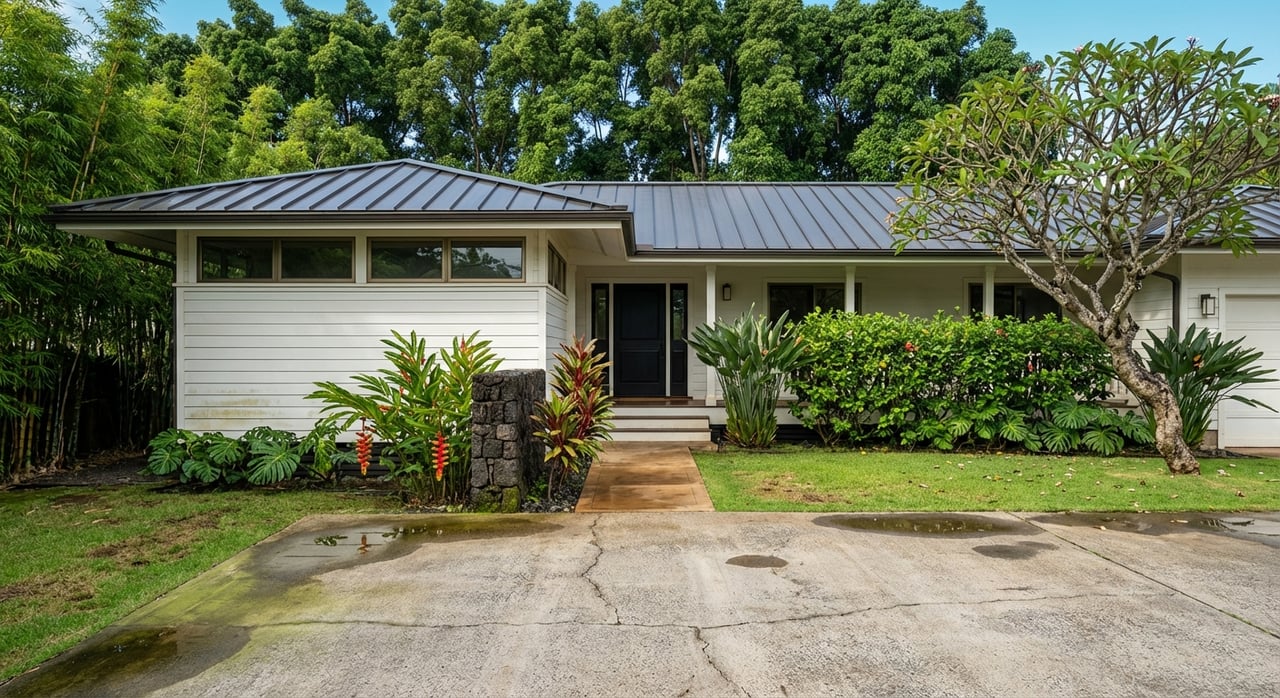
You will find a distinctive mix of homes in Mānoa. Many streets feature early 20th‑century bungalows and kamaʻāina cottages, mid‑century single‑family homes, and ranch layouts. Hillside areas add custom residences, while remodels and new builds bring modern finishes and indoor‑outdoor flow.
Lots often feel generous by Honolulu standards, with mature trees and tropical plantings. On older homes, budget for updates to roofing, drainage, and electrical systems as part of due diligence. If you value character architecture, Mānoa offers a deep inventory, from classic details to thoughtfully renovated spaces.
What homes cost
Recent major‑portal reporting places Mānoa’s neighborhood median sale price around 1.5 to 1.6 million dollars for single‑family homes. Active listings commonly range from about 1 to 3 million dollars or more, depending on size, condition, and hillside or lower‑valley location. Smaller units or condos in adjacent areas can be meaningfully lower in price.
Inventory is typically limited, and well‑priced homes can move in weeks. Online portals use different neighborhood boundaries, so medians and days on market can vary. For a precise price opinion, compare address‑level sales with your agent using local MLS data and recent comps.
Schools and education
Mānoa Elementary (3155 Mānoa Rd) is the local public elementary school and an active part of the community. Third‑party summaries have listed it among higher‑performing Hawaii elementary schools on standardized metrics, but you should confirm current data directly with the school or the Hawaii DOE before making decisions. Always verify your exact address for public middle and high school assignments, since boundaries vary.
Families often choose Mānoa for its proximity to respected private and charter options. Nearby schools include Mid‑Pacific Institute, Punahou School, Maryknoll School, St. Louis, and the University Laboratory School, a charter school connected to UH Mānoa. For elementary details, visit the Mānoa Elementary website.
Lifestyle and conveniences
Daily life in Mānoa feels close‑knit and convenient. Manoa Market Place on East Mānoa Road anchors the neighborhood with groceries, dining, services, and a farmers market, which makes errands simple. For a quick overview of the shopping center experience, see this summary of Manoa Market Place.
Green space is a major draw. Popular outings include the Manoa Falls trail, the lush collections at Lyon Arboretum, community performances at Manoa Valley Theatre, and cultural programming through the Manoa Heritage Center. Proximity to UH means access to lectures, libraries, and campus events that enrich day‑to‑day life.
Getting around and commute
Mānoa sits only a few miles from downtown Honolulu and Ala Moana. Off‑peak drives are short, but expect longer travel times at rush hour. Many residents commute by car, while university students and staff often use Honolulu’s bus system.
Several bus routes serve the valley and connect to UH, downtown, and major transit hubs. To plan a door‑to‑door trip, use official route and schedule tools from TheBus. For commute timing, check a live map from your exact address during peak hours.
Weather, moisture, and maintenance
The valley’s beauty comes with moisture. Mānoa’s humidity and frequent rain mean you should plan for mold prevention, good ventilation, and strong drainage. Flash‑flood events have occurred, including a documented storm in 2004, so it is smart to understand your property’s slope, runoff pathways, and any past water intrusion.
For health and maintenance guidance, review the CDC’s tips on preventing and addressing indoor mold, which focus on controlling humidity under about 50 percent, prompt drying after leaks, and proper ventilation. For context on local flood history, see the National Weather Service’s Manoa flood event summary. You can also use the CDC’s mold prevention guidance as a homeowner checklist.
Quick buyer checklist for Mānoa homes
- Confirm lot drainage, slope, and any prior flood or landslide claims. Review seller disclosures and ask for documentation of drainage work. Refer to the NWS’s event history for local context.
- Inspect roof, attic, gutters, and exterior paint for wear or biological staining, then budget for repairs or upgrades. The CDC’s mold guidance outlines moisture control basics.
- Order a termite inspection and review any previous treatment or warranties. Hawaii supports year‑round termite activity, and professional systems are common. Learn why inspections matter from this USDA‑supported termite research summary.
- Ask about crawlspace ventilation, AC usage, and dehumidification practices during humid months. Good airflow and drying habits reduce long‑term maintenance.
Choosing the right fit
Mānoa can be a great match if you want classic architecture, generous yards, and a greener, cooler microclimate within minutes of town. The tradeoff is more rain and the need for moisture‑aware maintenance. If you plan for drainage, ventilation, and regular inspections, you can enjoy a verdant backyard lifestyle with easy access to schools, campus culture, and the city.
When you are ready to explore listings, compare lower‑valley convenience with hillside privacy and views. Consider how the microclimate aligns with your ideal daily routine, from gardening to commuting. A local, data‑driven approach will help you focus on the right streets and the right home.
Ready to learn which Mānoa properties fit your budget and lifestyle? Expect better guidance, marketing, and negotiation. Connect with Jaymes Song for a friendly, no‑pressure consultation.
FAQs
How rainy is Mānoa compared with coastal Honolulu?
- Mānoa is much wetter, with localized annual rainfall rising sharply from the valley mouth to the head, and intense short‑duration storms possible, so plan for moisture and drainage.
What do single‑family homes in Mānoa typically cost in 2026?
- Major portals recently reported a median around 1.5 to 1.6 million dollars, with common list ranges from roughly 1 to 3 million dollars depending on size, condition, and location.
What public and private school options are near Mānoa?
- Mānoa Elementary serves the neighborhood, and nearby options include Mid‑Pacific Institute, Punahou, Maryknoll, St. Louis, and the University Laboratory School; verify boundaries and admissions.
How do residents commute from Mānoa to downtown Honolulu?
- Many drive, especially off‑peak for a short trip, while several bus routes connect the valley to UH, downtown, and Ala Moana; check TheBus for schedules.
What maintenance should Mānoa homeowners plan for?
- Focus on drainage, roofing and gutter upkeep, ventilation and dehumidification to manage mold risk, plus routine termite inspections and treatments as advised by professionals.
What everyday amenities are in the neighborhood?
- Manoa Market Place offers groceries, dining, and services, and you are close to trails, Lyon Arboretum, Manoa Valley Theatre, and campus events for culture and recreation.