Dreaming about a second home on Oʻahu’s North Shore? Waialua can be a compelling choice, but it helps to go in with clear eyes. If you want a place that feels more like a rooted North Shore home than a resort-style escape, understanding local planning, seasonal patterns, carrying costs, and rental rules can save you time and costly surprises. Let’s dive in.
Why Waialua Feels Different
Waialua sits within a part of Oʻahu that county planning documents describe as rural, agricultural, and open-space oriented. The North Shore planning framework focuses on preserving rural character, scenic beauty, natural resources, and agricultural lands, while keeping growth largely within or near existing built-up areas.
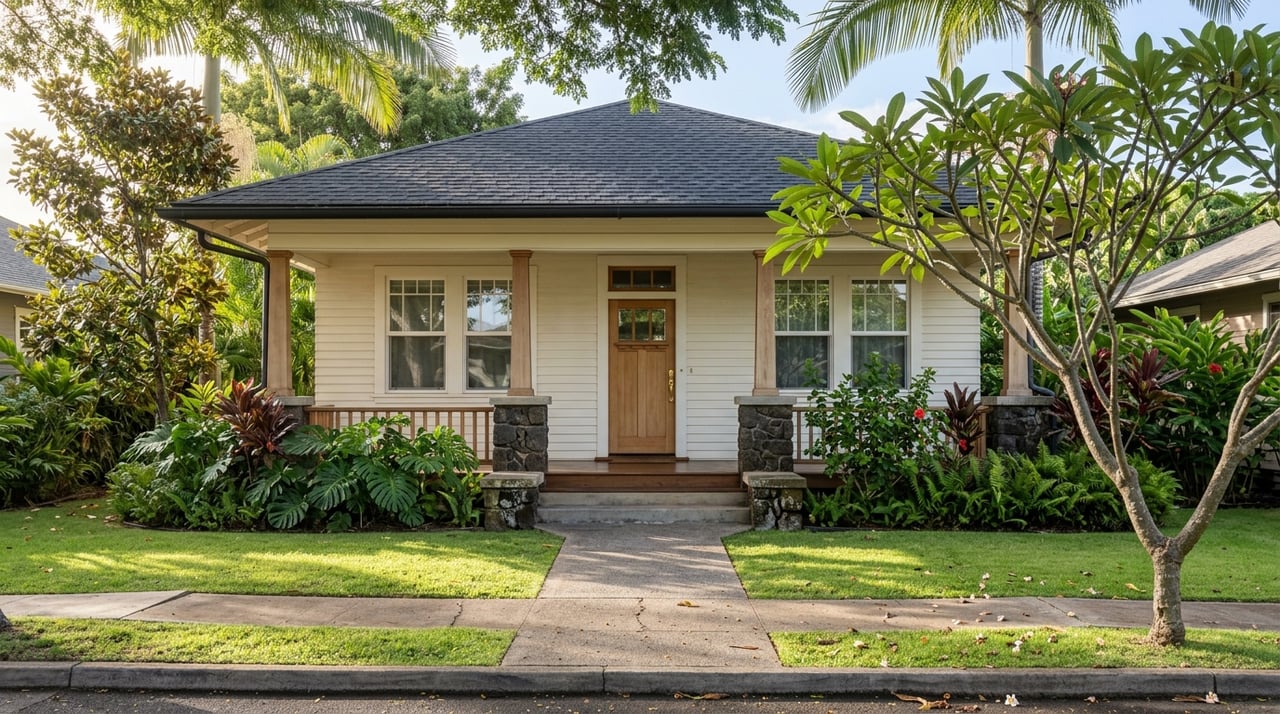
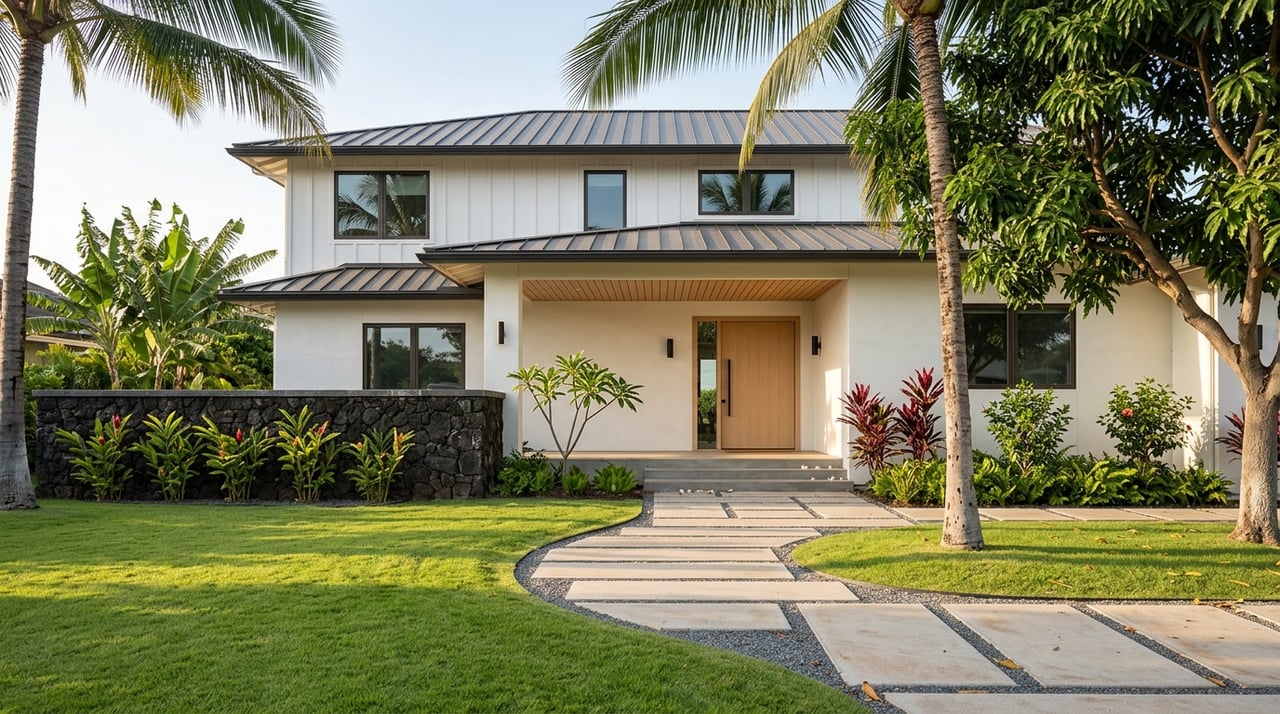
That context matters when you shop for a second home. In practical terms, Waialua is generally better understood as a low-density, locally rooted housing market rather than a condo-heavy resort market. If your vision is a quieter retreat with a country-town feel, that local framework may line up well with what you want.
The Waialua Town Master Plan also supports that identity, describing Waialua as a rural country-town setting with an agricultural role and resident services. For many buyers, that is part of the appeal. You are not just buying a property. You are buying into a part of Oʻahu with a very specific land-use and lifestyle rhythm.
What the Market Looks Like
If you are comparing Waialua to other parts of Honolulu County, expect a smaller pool of homes and a higher price point. Recent market snapshots show about 44 homes for sale in Waialua, with a median asking price of $1.19 million.
Homes there have been spending a median of 75 days on market, with sales closing at about 96% of list price. Over the same period, Honolulu County’s median sale price was $745,000, and homes took a median 78 days to sell.
For you as a second-home buyer, that points to a market that is both limited and relatively premium. Inventory may not offer many interchangeable options, so clarity on your priorities can help. Before touring homes, it is smart to define your must-haves around location, lot size, ocean exposure, and how often you plan to use the home each year.
Seasonal Living on the North Shore
A second home in Waialua is not just a real estate decision. It is also a seasonal use decision. Hawaiʻi has a mild climate year-round, with summer running from May through October and winter from October through April.
Winter is generally wetter and cloudier, and conditions can vary a lot over short distances. On the North Shore, winter also brings the surf season that shapes travel, beach access, and day-to-day movement.
NOAA identifies November through March as prime surfing season, and humpback whales are generally seen in Hawaiʻi from November through April, peaking from January through March. That can make winter especially exciting for owners who want dramatic ocean views and seasonal energy.
At the same time, the Central Pacific hurricane season runs from June 1 through November 30. If you use your second home only part of the year, your calendar should account for both the benefits and the logistics that come with these seasonal windows.
Winter Access Can Change Quickly
One of the biggest realities for part-time owners is that North Shore conditions can affect access, not just recreation. The Hawaiʻi Department of Transportation has closed Kamehameha Highway on the North Shore during high surf events.
That means a day that looks beautiful in photos can also bring practical limits on errands, arrivals, and beach access. If you are flying in for a short stay, you will want a flexible mindset and a plan for weather-sensitive travel days.
Honolulu Ocean Safety has also documented major rescue activity during large North Shore swell events. For your household and guests, checking ocean conditions before entering the water is more than a good habit. It is part of responsible second-home ownership.
Maintenance Matters More Than You Think
Part-time ownership always comes with extra planning, but North Shore conditions raise the stakes. NOAA describes Oʻahu’s North Shore as seasonally dynamic and exposed to strong winter North Pacific swell.
For shorefront or near-shore properties, shoreline behavior can matter as much as interior finishes. NOAA climate resilience materials note that intense waves and high sea-level events contribute to coastal erosion on the North Shore, and ongoing sea-level rise can accelerate that process.
That does not mean every buyer should avoid coastal properties. It does mean you should evaluate them with a long-term mindset. Your due diligence may need to focus not only on the home itself, but also on site conditions, shoreline exposure, and how the property may perform over time.
Build a Local Care Plan
Because second homes often sit vacant for stretches, local support becomes essential. A reliable system for routine check-ins, weather prep, and urgent access issues can make ownership much smoother.
In a place where surf, weather, road closures, and rural conditions can all affect day-to-day logistics, having trusted local contacts is a practical need. That may include a property manager, maintenance vendors, landscapers, or neighbors who can alert you if something changes while you are off island.
The goal is simple: your home should still function well when you are not there. Smart buyers think about that operating plan before they close, not after.
Fire and Emergency Preparedness
North Shore ownership also means taking preparedness seriously. The Honolulu Fire Department says Hawaiʻi’s wildland fire season is year-round.
HFD recommends a 30-foot safety zone around the home, clear fire lanes and access points, working smoke alarms, a practiced home escape plan, and a ready go-bag. If you are buying a second home with more land, vegetation, or rural surroundings, those steps deserve attention from day one.
Waialua also has nearby emergency infrastructure that may matter to part-time owners. Honolulu Emergency Services lists a Waialua EMS unit at 66-420 Haleʻiwa Road, and local fire-prevention and evacuation resources are available through the Honolulu Fire Department.
Preparedness is not the glamorous side of second-home ownership, but it is one of the most important. A well-maintained and well-planned property is easier to enjoy and easier to protect.
Can You Rent Out a Waialua Second Home?
This is one of the biggest questions buyers ask, and it is also where many assumptions break down. Hawaiʻi draws a clear line between long-term and short-term rental activity.
According to the Hawaiʻi Department of Taxation, rentals of 180 consecutive days or more are treated as long-term rentals. Rentals of less than 180 consecutive days are treated as short-term or transient accommodations.
Short-term rentals require GET and TAT registration and filings, and the owner remains responsible even if a manager handles rent collection and paperwork. That alone makes it important to confirm your intended use early.
Honolulu Rules Are Strict
Honolulu zoning rules are tighter than many mainland buyers expect. Under the Land Use Ordinance, bed-and-breakfast homes and transient vacation units are allowed only in specific areas and for properties operating under valid nonconforming use certificates.
The ordinance also requires registration and, for bed-and-breakfast homes, evidence of a home exemption and at least a 50% ownership interest. Based on those rules, ordinary Waialua residential parcels are generally not places where new short-term rental use is broadly available unless a grandfathered entitlement already exists.
That is why rental potential should never be treated as a casual assumption. If part of your second-home plan depends on sharing the property, you should verify what is legally allowed before closing.
Seller Disclosures Help, But You Still Need Clarity
Honolulu also requires sellers of residential real property to disclose whether a property may legally be used as a short-term rental. That is a helpful safeguard, but it is still wise to make rental legality part of your purchase review.
For many buyers, this is where local guidance adds real value. A property that looks like a perfect occasional rental on paper may not match the actual zoning and use rules that apply in Waialua.
Understand the Carrying Costs
A second home’s annual cost is about more than the mortgage. On Oʻahu, property tax classification can materially affect the numbers.
For fiscal year 2025 to 2026, Honolulu’s owner-occupied Residential tax rate is $3.50 per $1,000 of net taxable value. A second home that does not claim the home exemption and is assessed at $1 million or more may fall into Residential A.
Under Residential A, the rate is $4.00 per $1,000 on the first $1 million and $11.40 per $1,000 above that. For higher-value second homes, that difference can have a meaningful impact on your annual carrying costs.
When you compare properties, it helps to look beyond list price and think in terms of full ownership cost. Taxes, insurance, maintenance, vacancy planning, and local support services all shape whether the home feels financially comfortable over time.
Small-Town Resources Add to Livability
Part of Waialua’s appeal is that it offers a rural feel without feeling cut off. Local civic resources support that everyday livability.
For example, the Waialua Public Library at 67-068 Kealohanui Street offers Wi-Fi, computers, and regular public hours. It describes itself as the smallest public library on Oʻahu, which speaks to the area’s small-town character.
That kind of infrastructure may seem minor when you first start your search, but it can matter once you become an owner. If you are looking for a second home that feels peaceful yet connected to local services, details like these help paint the full picture.
Is Waialua the Right Second-Home Fit?
Waialua can be a strong fit if you want a second home with space, a rural North Shore identity, and a more grounded sense of place. It can be especially appealing if you value scenic surroundings, seasonal surf energy, and a lower-density setting.
It may be a less natural fit if your plan depends on easy short-term rental use or a lock-and-leave ownership style with minimal hands-on planning. The local rules, weather patterns, road conditions, and exposure factors all reward buyers who do careful homework.
The good news is that clear expectations make for better decisions. When you understand how Waialua works as a real place, not just a dream destination, you can buy with more confidence and fewer surprises.
If you are weighing a second home on Oʻahu’s North Shore and want data-backed guidance on property fit, ownership costs, and local market context, Jaymes Song can help you make a more informed move. Expect better. Schedule your free market consultation.
FAQs
What makes Waialua different from other second-home areas on Oʻahu?
- Waialua is shaped by county planning that emphasizes rural character, agricultural lands, open space, and low-density growth, so it tends to feel more like a locally rooted North Shore community than a resort-oriented second-home market.
What is the current home price picture in Waialua?
- Recent market data shows about 44 homes for sale, a median asking price of $1.19 million, a median 75 days on market, and sale prices averaging about 96% of list price.
What seasons matter most for owning a second home in Waialua?
- Winter from October through April brings wetter conditions, prime North Shore surf from November through March, whale season from November through April, and a greater chance of weather-related access issues.
Can Kamehameha Highway closures affect Waialua second-home owners?
- Yes. The Hawaiʻi Department of Transportation has closed Kamehameha Highway on the North Shore during high surf events, which can affect travel, errands, and access during certain periods.
Can you legally use a Waialua second home as a short-term rental?
- You should not assume that you can, because Honolulu’s zoning rules are strict and new short-term rental use is generally not broadly available on ordinary Waialua residential parcels unless a valid grandfathered entitlement applies.
How does Hawaiʻi define short-term versus long-term rentals for a second home?
- The Hawaiʻi Department of Taxation treats rentals of less than 180 consecutive days as short-term or transient accommodations, while rentals of 180 consecutive days or more are treated as long-term rentals.
How are property taxes different for a second home in Honolulu County?
- A second home that does not qualify for the home exemption and is assessed at $1 million or more may fall into Residential A, which has higher tax rates than the owner-occupied Residential classification.
What preparedness steps matter for a Waialua second home?
- Key steps include maintaining a 30-foot safety zone around the home, keeping clear access routes, checking smoke alarms, creating an evacuation plan, preparing a go-bag, and setting up reliable local check-ins when you are off island.