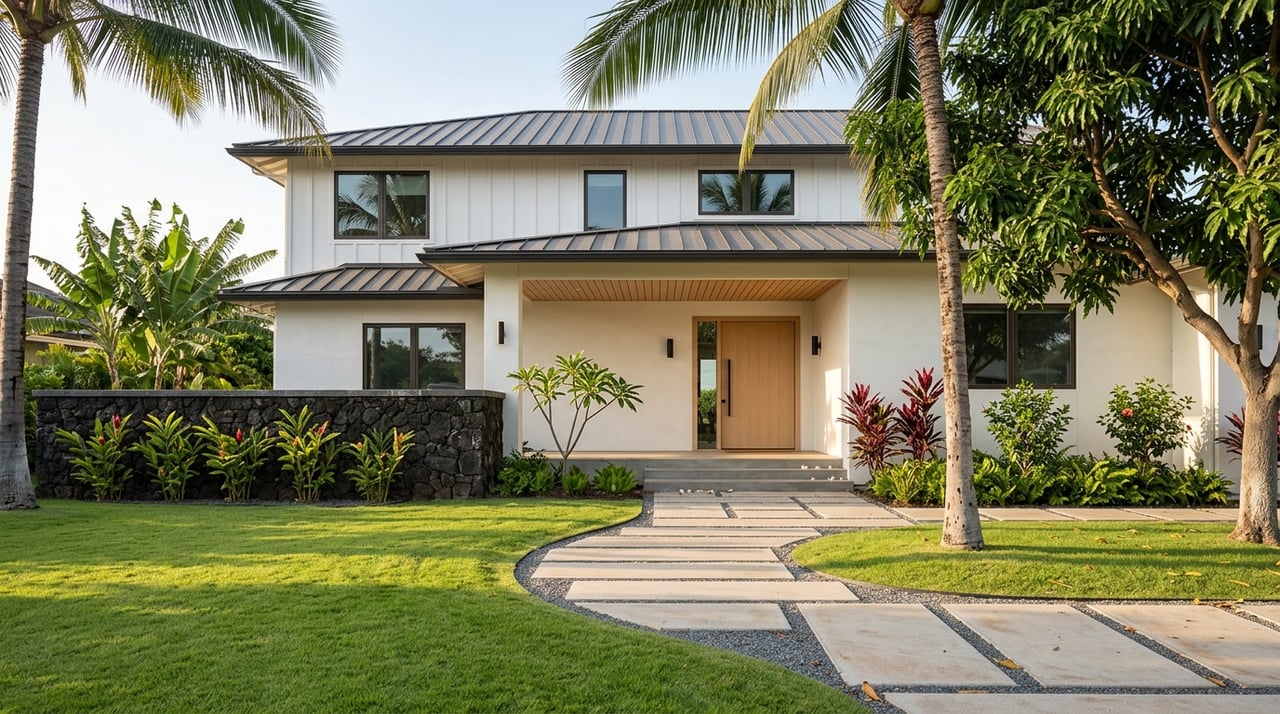
Looking for a place on Oʻahu where life feels more open, more local, and more connected to the outdoors? Waialua and the North Shore offer a very different experience from urban Honolulu, with surf-town energy, rural scenery, and low-density neighborhoods that appeal to buyers who value space and lifestyle. If you are weighing a move, a second-home purchase, or a sale in this part of the island, this guide will help you understand what daily life really looks like here. Let’s dive in.
Why Waialua Feels Different
Waialua is part of Oʻahu’s North Shore, a region known for legendary beaches, surfing, working farms, food trucks, historic Haleʻiwa town, the BYU–Hawaiʻi campus, and Turtle Bay Resort. It has a strong identity that feels distinct from the more urban pace of Honolulu.
That difference shows up in both scale and rhythm. Census Reporter’s 2024 ACS profile estimates Waialua has about 3,050 residents and 1,254 housing units, with a median age of 49. In practical terms, that points to a small, established residential community with a quieter, more settled feel.
The North Shore as a whole can still feel lively, especially near beach parks, surf breaks, and town centers. According to DBEDT’s 2024 North Shore profile, about 52.5% of air visitors to Oʻahu visited the North Shore in 2023, and roughly 12,088 visitors are present on a typical day. DBEDT says that is about one-third of the North Shore’s daytime population.
North Shore Housing Styles
If you picture North Shore living as everything from beach-town homes to larger rural properties, the planning framework supports that idea. The City and County of Honolulu’s Waialua Town Master Plan says agricultural zoning covers the largest area in Waialua, while most residential land is zoned for single-family housing on lots of various sizes.
The same plan explains that country zoning is intended to support low-density development and related services. It also identifies the Waialua Shopping Center as the core of the central business area and describes the old Mill Camp housing area as transitioning toward Rural Residential use.
For buyers and sellers, that matters because the local housing pattern is not centered on dense multifamily development. Instead, the area is shaped by single-family homes, rural-residential settings, and larger tracts of agricultural land. That gives Waialua a more spacious and land-oriented character than many other parts of Oʻahu.
What Country-Estate Living Means
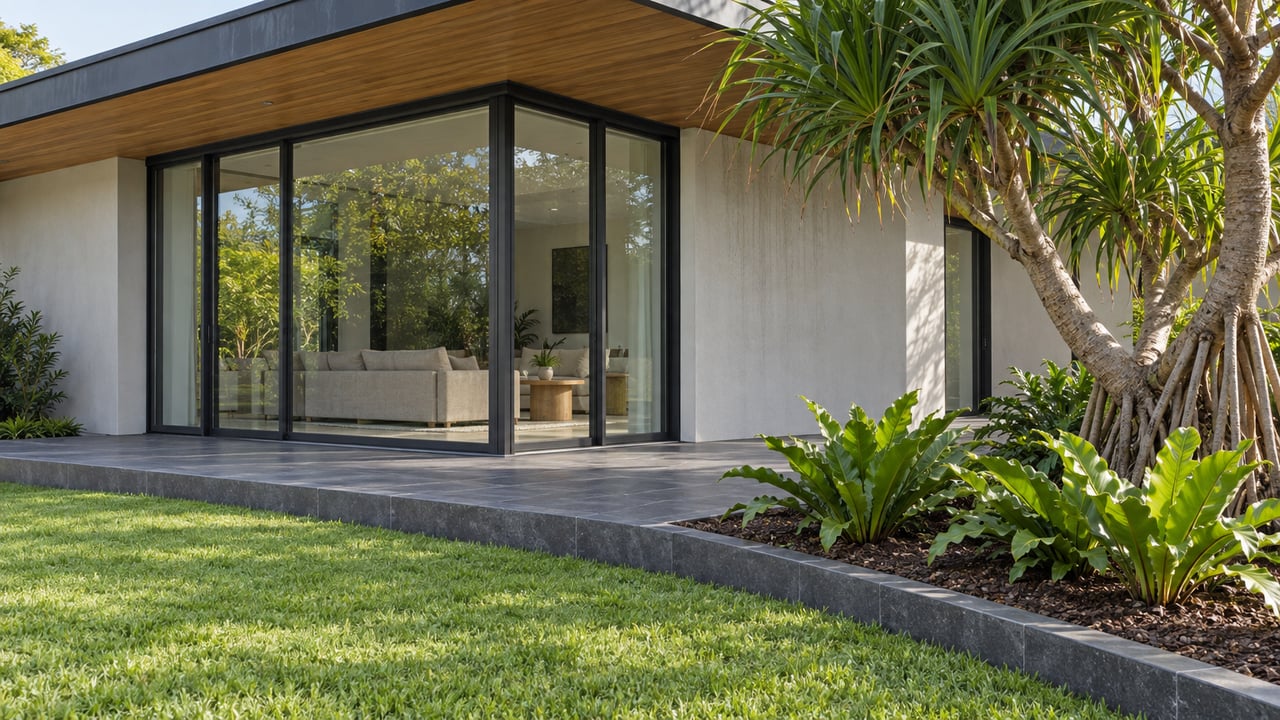
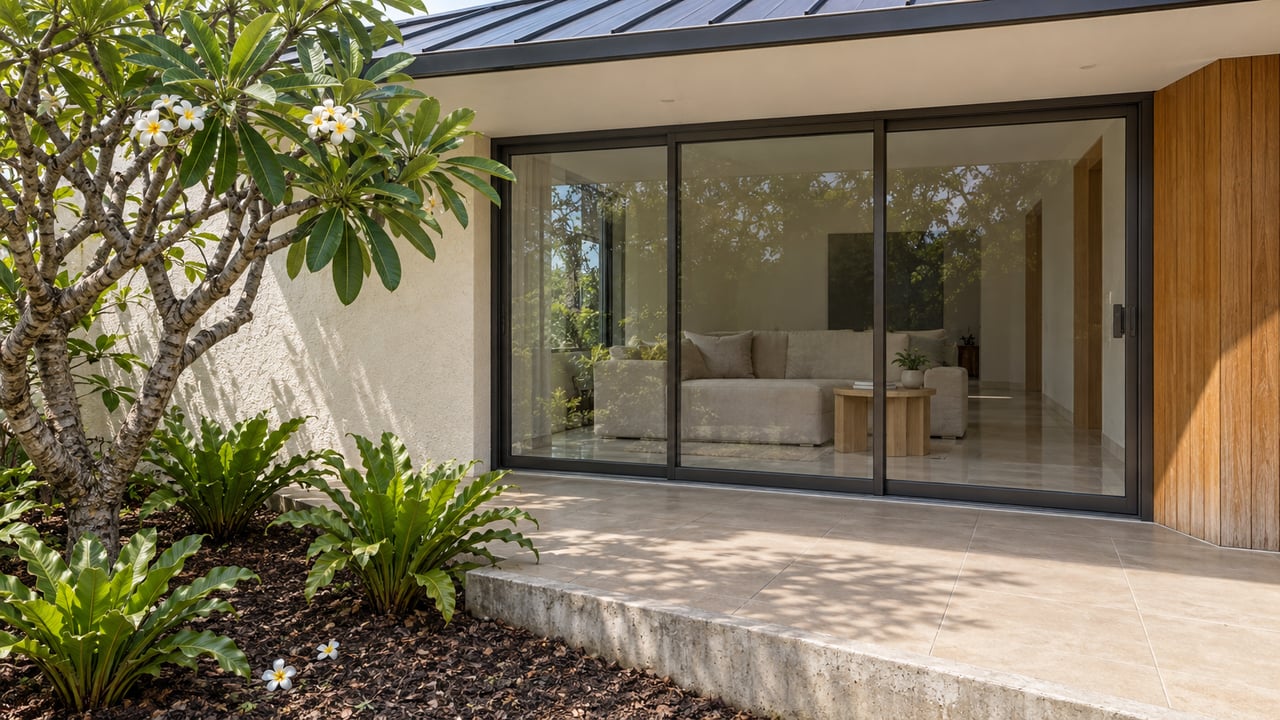
In Waialua, “country-estate” living is less about a formal label and more about the way land use shapes everyday life. You may find homes in quieter, lower-density settings where the surroundings feel more open and less built out than in Honolulu’s urban neighborhoods.
That often appeals to people who want privacy, room to spread out, and a stronger connection to the natural setting. It can also appeal to buyers who value the North Shore’s local identity over convenience-driven living.
At the same time, the tradeoff is important to understand. A lower-density environment usually means fewer nearby retail options, longer drives for some errands, and a lifestyle that depends more on planning ahead.
Waialua Home Values Today
Housing values in Waialua and across the North Shore reflect the area’s appeal. Census Reporter’s 2024 ACS profile puts the median value of owner-occupied housing units in Waialua at $997,200.
DBEDT reports that the broader North Shore had a median home value of $936,900. The same report says 42.8% of homes were valued above $1 million, which shows how common higher-value properties are in this market.
DBEDT also notes a 20.4% vacancy rate between 2018 and 2022 for the North Shore, which it says is consistent with second homes, vacation homes, and short-term rentals in a visitor-oriented market. In addition, only 47.0% of North Shore households own their homes. For buyers, that suggests a market shaped by both full-time residents and part-time ownership patterns.
Daily Life and Errands
One of the biggest lifestyle differences in Waialua is convenience. If you are used to big-box corridors, dense retail, or lots of nearby service options, the North Shore will likely feel more compact.
Haleʻiwa serves as the area’s main surf-town retail core. Go Hawaii describes it as laid-back, country in ambiance, and filled with surf shops, boutiques, art galleries, and understated restaurants in plantation-era buildings.
That local character is a big part of the draw. But it also means your day-to-day routine may involve a smaller shopping core for basic needs and larger retail runs elsewhere on Oʻahu.
Commute and Travel Timing
Waialua can feel close on a map while still requiring more time on the road than many newcomers expect. Travelmath estimates a typical drive from Waialua to Honolulu at 46 minutes.
Census Reporter shows a mean travel time to work of 32.4 minutes for Waialua residents. Actual travel times can vary, and the North Shore’s visitor volume helps explain why. DBEDT says visitors make up about one-third of the region’s daytime population on a typical day.
For you, that means commute and errand timing may take more planning than in a more centralized part of Oʻahu. If flexibility, scenery, and lifestyle matter more than a fast trip into town, that tradeoff may feel well worth it.
Beach Access and Outdoor Living
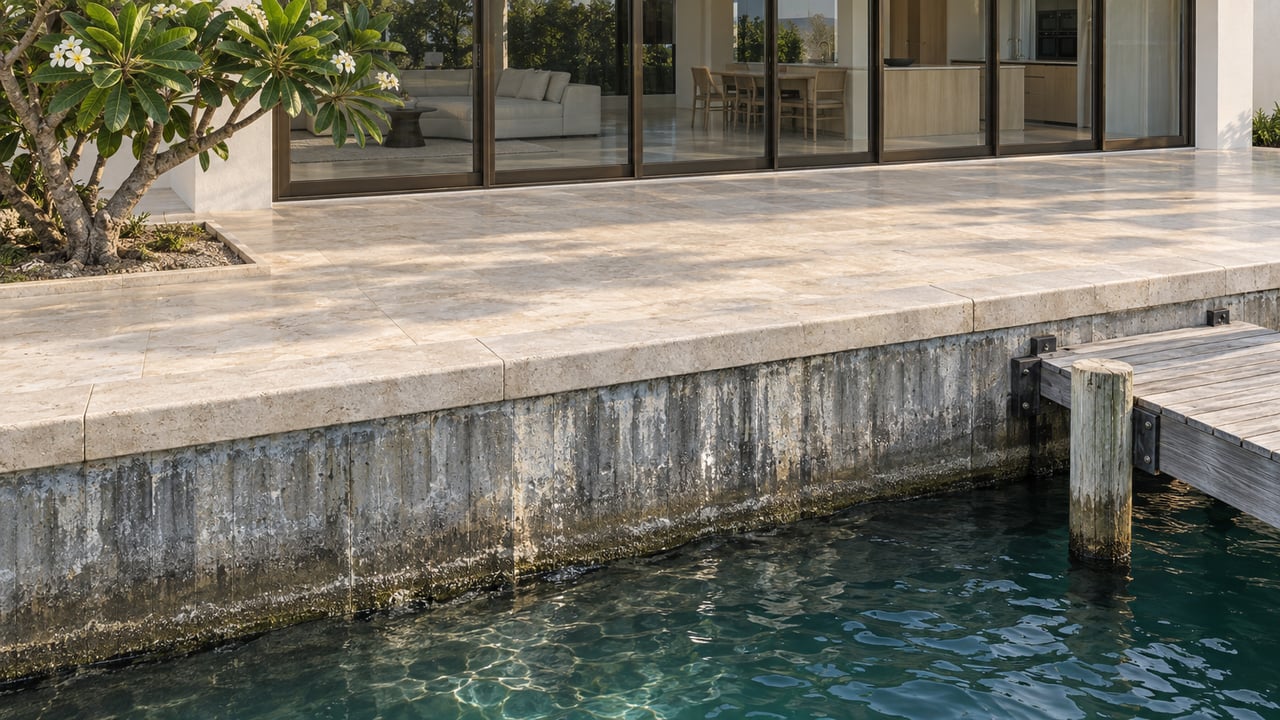
For many buyers, this is where the North Shore lifestyle really stands out. The area offers exceptional access to beaches and ocean recreation, and that access shapes daily life in a real way.
According to DLNR, the North Shore has numerous beach parks and 43 beach access points. Its Pūpūkea page highlights snorkeling and reef-walking opportunities at Shark’s Cove and Three Tables, with Waimea Bay Beach Park nearby.
Hawaiʻi Ocean Safety also notes that winter swells bring high surf to North Shore beaches, while summer tends to be calmer at Waimea Bay. That seasonal change is part of what makes living here feel dynamic and closely tied to the ocean.
If your ideal week includes beach time, scenic drives, and easy access to outdoor recreation, Waialua offers a strong lifestyle case. The setting is not just scenic. It is part of how people live.
School Options in the Area
If schools are part of your home search, the immediate public-school network in the Waialua and North Shore area is relatively compact. Waialua Elementary is located on Waialua Beach Road, and Waialua High & Intermediate is on Farrington Highway.
The Waialua High & Intermediate complex area page also lists Haleiwa Elementary and Waialua Elementary as complex-area schools. Sunset Beach Elementary is located in Haleʻiwa on Kamehameha Highway.
For buyers comparing different parts of Oʻahu, that means the local public-school network offers fewer nearby options than more urban areas. It is helpful to review school locations and commute patterns alongside your home search so your day-to-day routine lines up with your priorities.
Who North Shore Living Fits Best
Waialua and the wider North Shore tend to fit buyers and sellers who value space, local character, and an outdoor-centered lifestyle. If you are looking for a low-density setting with strong beach access and a less urban pace, this area stands apart.
It can be especially appealing if you are considering a single-family home, a rural-residential property, or a second-home purchase in a well-known part of Oʻahu. It may also suit sellers whose homes offer the privacy, land, or lifestyle features that North Shore buyers are often seeking.
The key is to weigh the full picture. You are not just choosing a home. You are choosing a daily rhythm that includes visitor-influenced traffic, compact shopping options, and one of the most recognizable coastal lifestyles on the island.
What Buyers and Sellers Should Know
If you are buying in Waialua, focus on how the property supports the life you want to live. Think through commute expectations, shopping habits, beach access, lot size, and whether you want a more town-centered or more rural feel.
If you are selling, it helps to position your home around the lifestyle buyers are actually seeking here. In many cases, that means highlighting low-density surroundings, access to North Shore destinations, and the distinct character that separates Waialua from more urban Oʻahu neighborhoods.
Because this market blends local demand, lifestyle appeal, and higher-value housing, strategy matters. A data-informed approach can help you make smarter decisions whether you are entering the market as a buyer, seller, or investor.
If you are thinking about buying or selling on Oʻahu’s North Shore, working with a team that understands both the numbers and the neighborhood story can make a real difference. Jaymes Song offers local guidance, data-driven advice, and a high-touch process designed to help you move with confidence.
FAQs
What is daily life like in Waialua, Oʻahu?
- Waialua offers a quieter, more residential lifestyle than Honolulu, with a small population, low-density housing patterns, and close ties to the broader North Shore’s beaches, farms, and surf-town destinations.
What types of homes are common in Waialua?
- The Waialua Town Master Plan indicates that agricultural zoning covers the largest area, while most residential land is intended for single-family housing, with country zoning supporting low-density development.
How much are homes worth in Waialua and the North Shore?
- Census Reporter estimates the median value of owner-occupied housing units in Waialua at $997,200, and DBEDT reports a broader North Shore median home value of $936,900.
How far is Waialua from Honolulu?
- Travelmath estimates a typical drive from Waialua to Honolulu at 46 minutes, while Census Reporter shows a mean travel time to work of 32.4 minutes for Waialua residents.
What shopping and errands are like on the North Shore?
- Haleʻiwa functions as the area’s main local shopping core, with surf shops, boutiques, galleries, and restaurants, so many residents use a compact retail area locally and plan larger shopping trips elsewhere on Oʻahu.
What makes North Shore living different from urban Honolulu?
- The biggest differences are lower-density housing, stronger access to beaches and outdoor recreation, more visitor-influenced traffic patterns, and a less urban retail and commute experience.