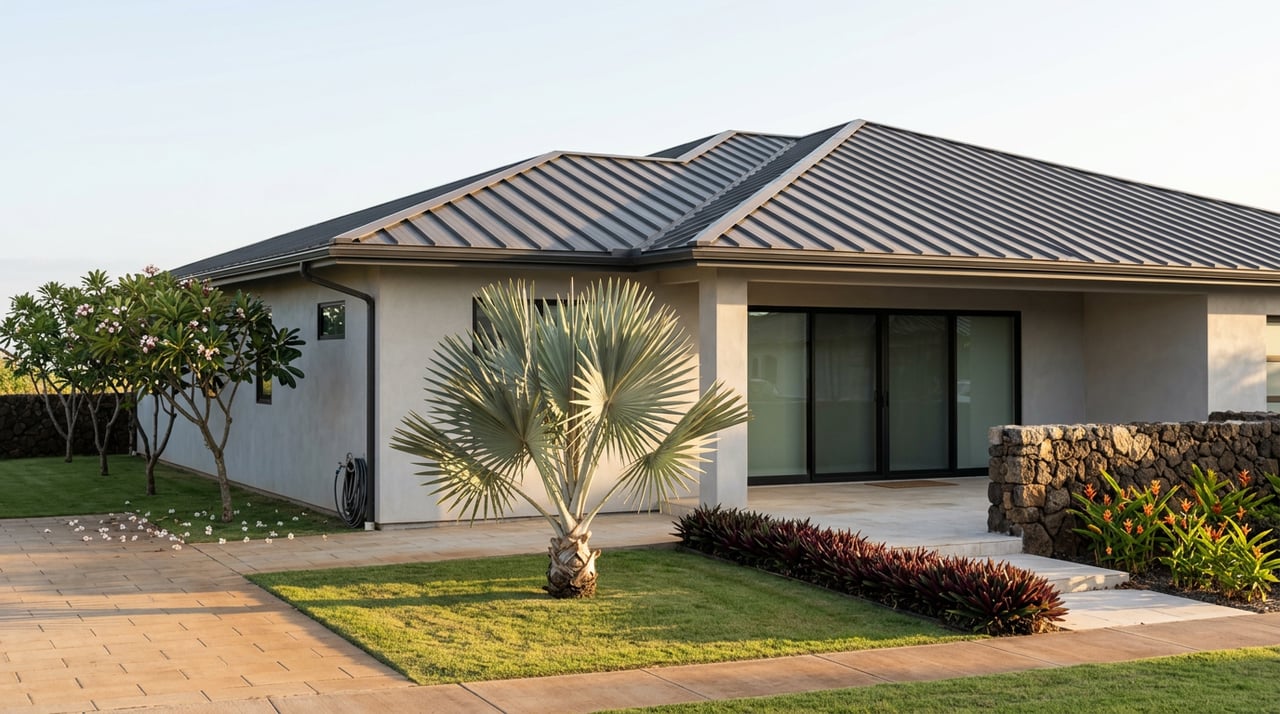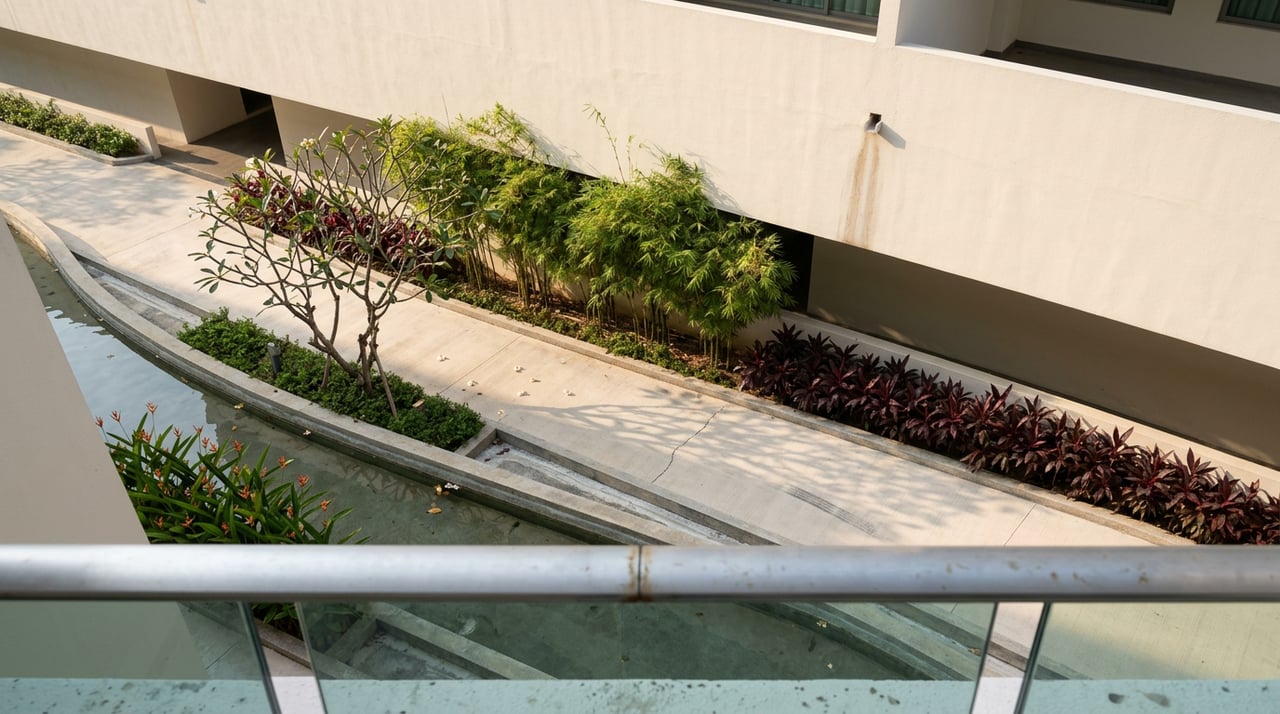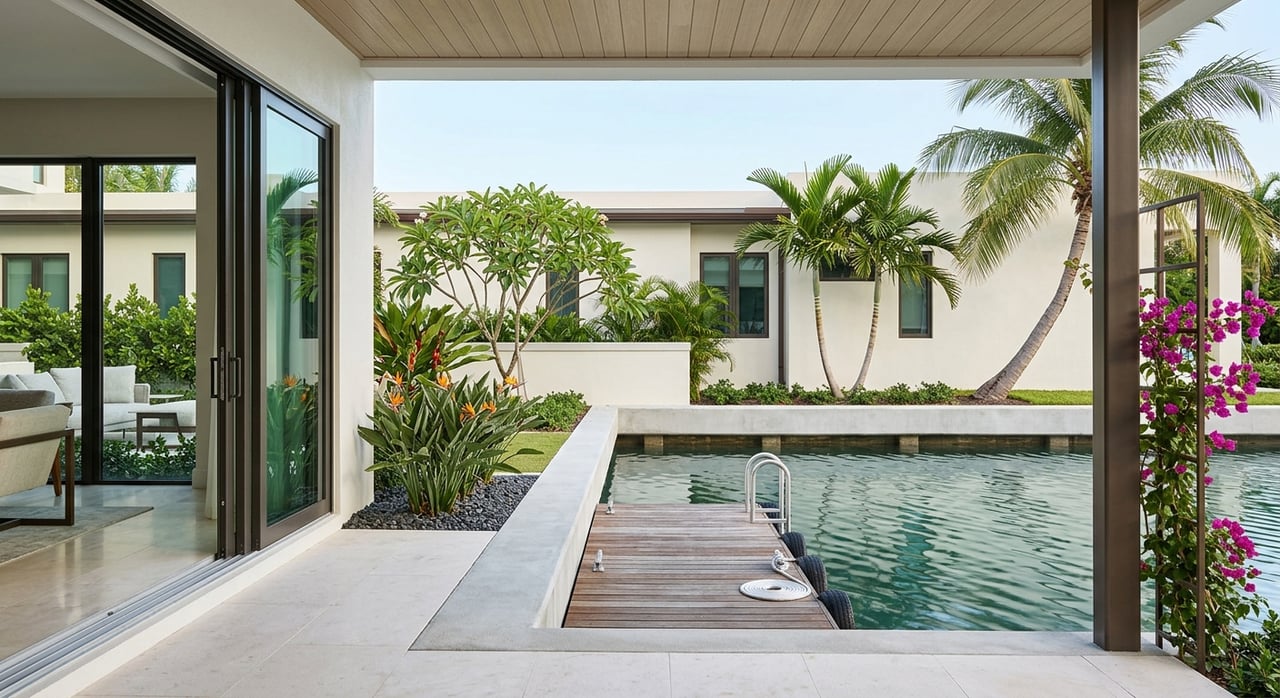
Dreaming about a Hawaii Kai waterfront home? The view is only part of the story. If you are buying along the marina or shoreline, the smartest move is to understand how access, upkeep, insurance, and property rights work before you fall in love with the setting. This guide walks you through the practical details that matter most in Hawaii Kai so you can buy with more confidence. Let’s dive in.
Know Your Waterfront Type
Not all Hawaii Kai waterfront homes offer the same lifestyle. In this area, one of the biggest differences is whether a home sits on the private Hawaii Kai Marina or on the oceanfront.
According to the Hawaii Kai Marina Community Association, the marina is a private body of water of about 266 acres with roughly 12 miles of shoreline and access to Maunalua Bay. It is also the only community on Oʻahu with a large private inland body of water where residents can live and reach the ocean by boat. That makes marina-front living a very specific product, not just a generic waterfront label.
Marina-front living
Marina-front homes often appeal to buyers who want calmer water, backyard paddling, and possible dock access. The tradeoff is that you are living within a shared marina environment with rules, operating limits, and water-quality considerations.
HKMCA notes that the marina is used by boaters, paddlers, waterfront homeowners, and other approved users. It also states that after heavy rainfall, runoff can affect water quality until tidal flow flushes the waterways. If you picture frequent swimming from your backyard, that is an important detail to keep in mind.
Oceanfront living
Oceanfront homes offer a different experience. You may get direct shoreline exposure and a more dramatic setting, but you also take on much greater exposure to wind, salt, moisture, and flood-related wear.
That difference matters because waterfront homes do not age like inland homes. Coastal inspection guidance highlights common issues such as corrosion, moisture damage, UV wear, mold, and concrete or wood deterioration. In other words, the location is beautiful, but it can be demanding on the structure.
Understand Marina Access First
If you own a boat or hope to, marina access should be one of your first questions. In Hawaii Kai, the practical limits are not just about whether a home is on the water. They also include bridge clearance, vessel approval, speed rules, and the exact rights tied to the property.
Bridge height matters
HKMCA lists about 13 feet of clearance at mean lower low water under the Kalanianaole Highway Bridge and about 19 feet under the Keahole and Wailua bridges. Interior marina bridge heights range from about 13 to 19 feet.
That means you should not assume your vessel will fit just because a home has waterfront frontage. Mast height, antennas, outriggers, and tide conditions all matter. HKMCA also notes that sailboats up to 14 feet are very maneuverable in the marina and recommends retractable masts for buyers who want both marina and ocean use.
Marina use is regulated
The marina is not open for casual public use. HKMCA says only bonafide Hawaii Kai residents, Koko Marina slip tenants, and approved commercial enterprises may operate vessels there, and no vessel may enter or remain without Marina Manager approval.
Speed is also tightly controlled. The rules set the limit at the slower of 5 mph or no wake, with slow or no wake required from sunset to 8 a.m. Boats over 21 feet must always operate at slow or no wake speeds, and Marina Patrol monitors compliance.
Guest boating has limits
If you are thinking about hosting friends by boat, ask how guest access works. HKMCA allows marina waterfront residents to sponsor guest vessels, but limits them to one guest pass per resident for up to 10 days per month.
Guest boats must also follow slow or no wake rules and may not waterski, fish, or crab. That does not make guest access impossible, but it does mean the marina lifestyle is more structured than some buyers expect.
Verify the Water Rights
One of the most important questions in any Hawaii Kai waterfront purchase is simple: What exactly comes with the property? A beautiful water view is not the same as a deeded dock, an assigned boat slip, or approved rights to modify an existing structure.
Recent area listings show that rights and amenities vary widely. Some homes are marketed with assigned boat slips or upgraded docks, while at least one recent Koko Isle sale advertised access to a private boat slip lease through the association plus a community boat dock with boat lift.
Ask these questions early
Before you write an offer, confirm:
- Whether the property includes a dock, slip, or lease right
- Whether the dock is existing, legal, and approved
- Whether future dock changes require Marina Manager approval
- Whether floating docks also require HOA approval
- Who is responsible for seawall maintenance
HKMCA states that waterfront residents may install or modify docks only with Marina Manager approval. It also says floating docks need local HOA approval, and seawall maintenance responsibility depends on the frontage type, whether it is a single-family home, condo association, or commercial property.
Budget Beyond the Purchase Price
Hawaii Kai waterfront pricing covers a wide range, and the gap often comes down to frontage, condition, and boating amenities. A buyer looking at an attached marina-front property is shopping in a very different lane than someone considering a Portlock oceanfront home.
Research snapshots from 2026 show that Hawaii Kai Marina had a median sale price of about $1.125 million in March, while Realtor.com showed a median for-sale price near $1.20 million with 16 homes listed. The broader Hawaii Kai market was also around a $1.1 million median sale price, which is helpful context but not a substitute for waterfront-specific analysis.
Price ranges vary by product
Attached marina-front homes can land in the high six figures to low seven figures depending on condition, location, and access rights. The Peninsula at Hawaii Kai posted a $950,000 median sale price in February 2026, while a recent Koko Isle sale closed at $1.24 million and included monthly HOA dues of $1,054.
Single-family marina and ocean-view homes tend to move higher. A recent Koko Kai sale closed at $2.1 million, while Portlock waterfront inventory showed a median listing price of $9.6 million for a small number of waterfront homes. The takeaway is clear: frontage and use rights can influence value as much as the neighborhood name.
Ongoing ownership costs
Waterfront budgeting should also include recurring expenses. Depending on the property, that may include:
- HOA dues
- Annual marina dues
- Dock or slip fees
- Seawall maintenance
- Watercraft insurance requirements
- Flood, hurricane, or earthquake coverage considerations
HKMCA says 2026 annual marina dues are $600, due January 1. It also lists annual vessel registration fees at $20 for marina waterfront residents, $575 for non-marina Hawaii Kai residents, and $20 for Koko Marina slip or commercial boats, with a $25 late fee after January 31. Registered power vessels must also show proof of watercraft liability insurance with a minimum limit of $300,000.
Insurance should start early
The Hawaii Department of Commerce and Consumer Affairs warns that most homeowners policies do not protect against flood, hurricane, or earthquake losses. FEMA guidance cited in the research also notes that flood insurance is required for most loans in Special Flood Hazard Areas.
For buyers in coastal areas, insurance is not an afterthought. Getting flood and wind coverage quotes early can help you budget more accurately before you remove contingencies.
Inspect for Waterfront Wear
A normal home inspection is important, but it may not be enough for a Hawaii Kai waterfront purchase. Waterfront properties face faster wear from salt air, moisture, wind, and UV exposure, so your due diligence should go beyond the standard checklist.
ASHI guidance says coastal homes are especially vulnerable to corrosion, moisture intrusion, degradation of concrete and wood, exposed electrical and plumbing damage, UV wear, and humidity-related mold. It also notes that standard home inspection standards do not require inspectors to evaluate seawalls, break-walls, or docks.
What to inspect closely
For a practical waterfront review, pay special attention to:
- Corrosion on fasteners, connectors, flashing, and hardware
- Water intrusion or mold signs
- Roof and exterior paint wear from salt and sun
- Deck attachments and exterior components
- Dock condition and approvals
- Seawall condition
- Drainage patterns that move stormwater toward the home
If the dock or seawall matters to your decision, consider a separate marine, dock, or structural specialist. That extra step can give you a clearer picture of future maintenance and repair costs.
Pest inspections matter too
In Hawaii, termite and pest inspections are a standard part of smart due diligence. DCCA says licensed pest control operators and their field representatives may identify infestations, inspect structures, make reports and recommendations, and sign contracts.
For a waterfront home, that is especially important because humidity and exposure can increase the stakes of deferred maintenance. Verify that the company you hire is properly licensed and qualified for the work.
Think Ahead on Shoreline Work
If you are buying with future improvements in mind, do not assume waterfront repairs are simple. Shoreline and seawall work can involve additional review and approvals.
The Hawaii Department of Land and Natural Resources says shoreline certification establishes the baseline used for shoreline setbacks and can help resolve encroachments and unauthorized shoreline structures. If you are considering future shoreline modifications, confirm the rules before counting on a quick project timeline.
A Smart Hawaii Kai Buying Strategy
The best Hawaii Kai waterfront purchases usually happen when buyers balance emotion with practical review. The views may pull you in, but the smarter decision comes from understanding the marina system, verifying access rights, pricing ongoing costs, and inspecting for exposure-related wear.
If you are comparing marina-front and oceanfront options, focus on how you will actually use the property. A sheltered marina setting may fit your lifestyle better than direct ocean exposure, or the opposite may be true. Either way, the right choice comes from matching the property to your day-to-day needs, not just the photos.
With a neighborhood as nuanced as Hawaii Kai, local guidance matters. If you want help comparing waterfront options, reviewing tradeoffs, and navigating the details with a clear plan, connect with Jaymes Song. Expect better. Schedule your free market consultation.
FAQs
What is the difference between marina-front and oceanfront homes in Hawaii Kai?
- Marina-front homes are typically on the private Hawaii Kai Marina with calmer water and possible dock access, while oceanfront homes have more direct shoreline exposure and usually greater wind, salt, moisture, and wear.
Can any boat use the Hawaii Kai Marina?
- No. HKMCA says only bonafide Hawaii Kai residents, Koko Marina slip tenants, and approved commercial enterprises may operate vessels in the marina, and all vessels need Marina Manager approval.
What boat restrictions should buyers know in Hawaii Kai?
- Buyers should check bridge clearances, vessel height, marina approval rules, speed limits, and no-wake requirements before assuming a boat will work for both marina and ocean use.
Do Hawaii Kai waterfront homes always include a dock or boat slip?
- No. Some properties may include a dock, assigned slip, or lease opportunity, but others may not, so you should verify exactly what rights and approvals transfer with the property.
What extra costs come with a Hawaii Kai waterfront home?
- Depending on the property, you may need to budget for HOA dues, marina dues, slip or dock costs, seawall maintenance, vessel registration, and additional insurance for flood, hurricane, or earthquake risk.
What inspections are important for a Hawaii Kai waterfront purchase?
- In addition to a general home inspection, buyers should pay close attention to corrosion, moisture intrusion, mold, roof and paint wear, dock condition, seawall condition, drainage, and termite or pest activity.
Is it always safe to swim in the Hawaii Kai Marina?
- Not always. HKMCA says marina water is routinely tested, but after heavy rain, runoff can cause temporary water-quality conditions that may exceed levels suitable for swimming until tidal flow clears the waterways.