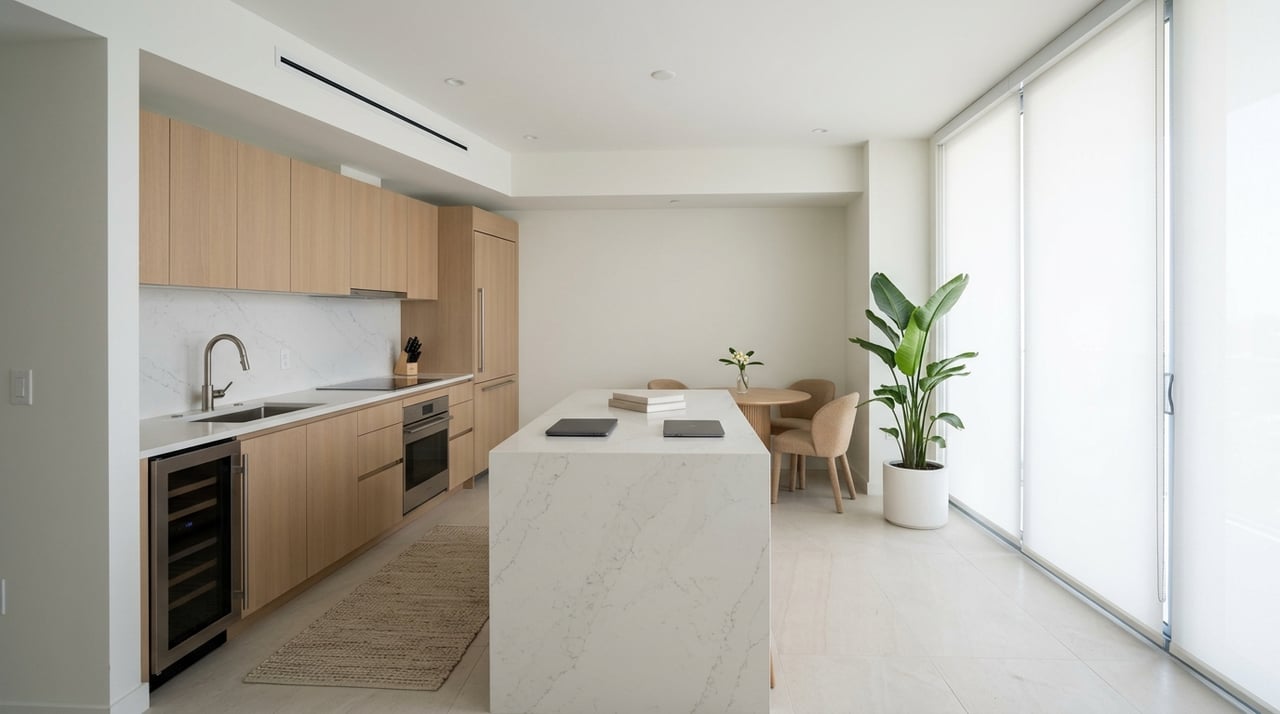
Trying to choose between a brand-new condo and a resale in Kakaʻako? It is a smart question, especially in a neighborhood that is still actively evolving. If you want the best fit for your budget, timeline, and lifestyle, you need more than a simple “new is better” or “resale is cheaper” answer. This guide will help you compare both paths in a practical way so you can move forward with more clarity. Let’s dive in.
Why Kakaʻako Is Different
Kakaʻako is not a fully built-out condo district with a fixed inventory mix. It is still growing, with new supply, completed towers, retail, parks, and public spaces developing side by side.
Within Ward Village alone, the master plan covers 60 acres and is expected at buildout to include more than 4,500 residences, about one million square feet of retail, and major public amenities, according to the Ward Village history page. Current and coming projects in the area include ʻIlima, Melia, The Launiu, Kalae, and The Park, while Our Kakaʻako is also expanding through Increment II projects such as Kahuina, Waiakoa, and Kaliʻu.
That matters because your decision is not just about old versus new. In Kakaʻako, you are often comparing very different ownership experiences within the same neighborhood.
New Condos: What You May Gain
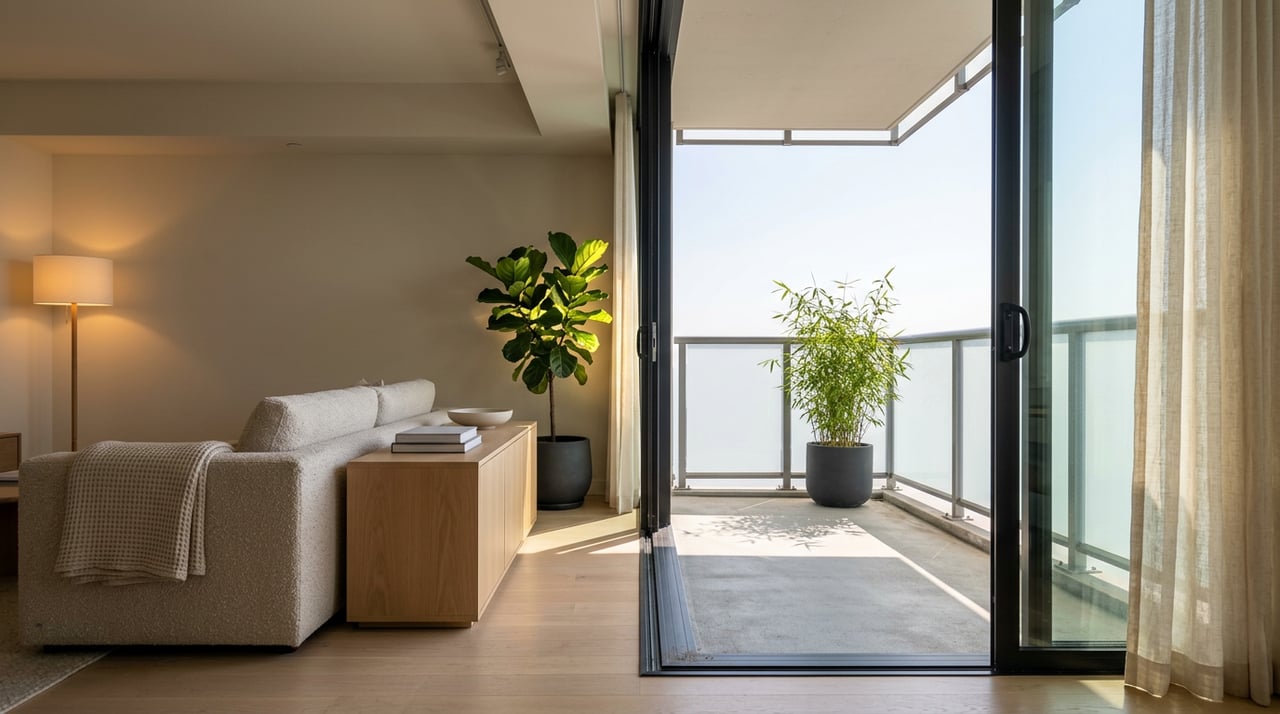
If you are drawn to current design, modern finishes, and newer amenity programming, new construction can be appealing. In Ward Village, projects such as Kalae and The Launiu reflect the kind of design-forward inventory many buyers want today.
Newer towers in Kakaʻako are often planned around a resort-style living experience. Official project pages show a wide range of amenity offerings across the neighborhood, from fitness centers and pools to lounges, dining rooms, guest suites, and other shared spaces.
For example, Waiea includes a large collection of amenities such as a fitness center, yoga studio, steam and sauna areas, guest suites, and an indoor golf simulator. Other Ward Village residences, including Anaha and Aeʻo, also highlight extensive amenity decks and design-focused common areas.
When new construction may fit you best
New construction may make more sense if you want:
- The newest finishes and floorplans
- A strong amenity package
- A building with a current design style
- Time to wait for future completion
- A preference for buying into a new project rather than a lived-in unit
If your priority is a fresh, polished product and you are comfortable with a longer timeline, new condos can be a strong match.
Resales: What You May Gain
A resale condo can offer advantages that are easy to overlook if you focus only on age. In Kakaʻako, resales range from luxury high-rises to more modest mixed-use buildings, which means you need to compare each building on its own merits.
A completed resale lets you inspect the actual residence, not just renderings or finish samples. You can stand in the unit, study the exact view, test the natural light, and understand the building’s day-to-day feel before you commit.
Resales can also give you a clearer picture of how the association actually operates. Instead of relying on projected budgets and timelines, you can review an established building’s fees, rules, maintenance history, and reserve planning.
Kakaʻako resale options vary widely
Kakaʻako resales are not all the same. The Collection Honolulu shows a contemporary product with a pool, barbecue pavilions, fitness and yoga space, and modern interior finishes, while Six Eighty has a more limited common-area program. Keauhou Lane illustrates a simpler amenity profile centered more on convenience than on a large club-style deck.
That is why it is important not to assume every resale is dated or every newer building is automatically superior. In this neighborhood, a resale may still be luxury-grade, while some newer projects may offer a more restrained layout or amenity set.
When a resale may fit you best
A resale condo may make more sense if you want:
- Immediate or faster occupancy
- The ability to inspect the exact unit and view
- A building with an operating history you can review
- More certainty around the association’s real monthly costs
- A completed neighborhood setting rather than a future delivery timeline
HOA Dues Matter More Than You Think
In Kakaʻako, the monthly maintenance fee should never be viewed in isolation. What matters is not just the number itself, but what it covers and whether the association appears financially prepared for future repairs and replacements.
The Hawaii Department of Commerce and Consumer Affairs explains that condo reserves are meant to fund major future expenses such as roofs, elevators, and common-area replacements. The same guidance notes that inadequate reserves can lead to special assessments, borrowing, or deferred maintenance, which is why reserve planning matters so much in any condo review. You can review that guidance in the DCCA condo FAQs.
In practical terms, buildings with larger amenity decks and more shared services may carry higher dues because owners are paying for both daily operations and long-term reserve needs. Simpler buildings may have lower dues, but they still need careful review.
What to compare beyond the monthly fee
When you review a Kakaʻako condo, compare:
- Reserve health
- Any special assessment history
- Utilities included in the fee
- Parking and storage rights
- Pet rules
- Rental rules
- Whether the association is still stabilizing after developer turnover
This is one of the most important checkpoints in a new-versus-resale decision.
Contract Timelines Are Very Different
One of the biggest differences between new condos and resales is how the contract process works. Your timeline, review period, and closing expectations can look very different depending on which path you choose.
For new construction in Hawaii, Chapter 514B governs developer condo sales. The buyer’s contract is not binding until the buyer receives the developer’s public report and the required notice of the 30-day cancellation right. The law also provides a separate 30-day rescission right if there is a material change after the contract becomes binding, and purchaser deposits must be held in escrow. You can review the statute in the Hawaii condominium law materials.
For a resale condo, the process is usually more familiar and moves faster. Hawaiʻi REALTORS® standard forms are commonly used in member transactions, and the resale contract generally becomes binding on the acceptance date when the last party signs. Hawaii disclosure law also gives the buyer 15 calendar days to review condo documents and rescind after receiving them, as described by Hawaiʻi REALTORS® standard forms guidance.
What this means for you
If you buy new construction, you may need more patience with developer timing and future move-in schedules. If you buy a resale, you usually need to move faster once your offer is accepted, especially during the condo document review window.
That difference alone can shape your choice if you are relocating soon, planning around a lease end, or trying to coordinate a sale and purchase.
Four Questions That Make the Decision Easier
If you feel torn between new and resale, these four questions can quickly narrow the field.
1. How long can you wait?
If you need housing on a more predictable timeline, a resale may be the easier fit. If you can wait for future completion and want a newer product, new construction may be worth the tradeoff.
2. What monthly cost can you comfortably carry?
Look beyond the list price and compare total monthly ownership cost. In Kakaʻako, maintenance fees, reserve planning, parking, storage, and included utilities can meaningfully affect affordability.
3. Do you want a brand-new building or a proven one?
Some buyers value being among the first owners in a new tower. Others prefer seeing how a building actually functions once it has a real operating history.
4. Does the exact unit work for your needs?
In Kakaʻako, stack, view, parking, storage, and building setup can vary widely. Sometimes the right answer comes down to the specific residence, not just whether it is new or resale.
A Quick Side-by-Side Comparison
| Factor | New Condo | Resale Condo |
|---|---|---|
| Condition | Brand-new finishes and systems | Existing condition you can inspect |
| Timeline | May require waiting for completion | Usually available on a standard closing timeline |
| Amenities | Often designed around current buyer expectations | Can range from luxury-grade to more basic |
| HOA review | May involve projected association operations | Usually includes real operating history |
| Unit selection | May offer early choices in stack or floorplan | Limited to current resale inventory |
| View certainty | Depends on project status and unit position | You can typically verify the actual view |
How Kakaʻako Buyers Can Decide With More Confidence
Because Kakaʻako is still growing, your choice should be less about labels and more about fit. A new condo can offer fresh design and a strong amenity package, while a resale can offer immediacy, visibility into true building operations, and the chance to inspect exactly what you are buying.
The best move is to compare building by building, unit by unit, and monthly cost by monthly cost. If you want clear guidance on Kakaʻako towers, resale opportunities, or how to weigh the numbers, Jaymes Song can help you sort through the options and build a strategy that fits your timeline and goals.
FAQs
What is the main difference between a new condo and a resale condo in Kakaʻako?
- A new condo usually offers current design, newer finishes, and future delivery timing, while a resale condo lets you inspect the actual unit and review a building’s real operating history.
Are HOA dues higher in new Kakaʻako condos?
- Not always, but buildings with larger amenity programs and more shared services may have higher monthly dues, so you should review what the fee includes, reserve health, and any assessment history.
Is Kakaʻako still adding new condo projects?
- Yes. Kakaʻako is still being built out, with ongoing and planned projects in Ward Village and Our Kakaʻako according to the approved development sources cited above.
Do new condo contracts in Hawaii work differently from resale contracts?
- Yes. New developer sales are governed by Hawaii condominium law and include a 30-day cancellation right after required documents are received, while resale purchases generally follow a standard contract process with a 15-day condo document review period.
Is a resale condo in Kakaʻako always older or less desirable?
- No. Kakaʻako resales vary widely, and some completed towers are luxury-grade with extensive amenities, while others are more modest, so each building should be evaluated on its own.
How should you choose between new construction and resale in Kakaʻako?
- Start with your timeline, your comfort with monthly carrying costs, whether you prefer a brand-new or already proven building, and whether the specific unit’s view, parking, and storage match your needs.