Wondering if West Oʻahu is a smart place to put your investment dollars to work? You are not alone. With newer communities, improving transit, and lower entry prices than many central Honolulu pockets, West Oʻahu looks appealing at first glance. In this guide, you will see how rents, commute patterns, local rules, and 1031 timelines shape returns in Waipahu and nearby submarkets so you can decide with confidence. Let’s dive in.
Why West Oʻahu draws investors
West Oʻahu stands out for newer, master-planned neighborhoods and per‑unit prices that are often lower than central Honolulu. That combination can improve cash-on-cash returns if you buy well and manage expenses carefully. You also gain exposure to a tenant base that values more space and access to transit and jobs.
Rents and cash flow context
Recent snapshots put typical Waipahu rents around 2,400 to 2,600 dollars, with Kapolei closer to about 3,300 dollars depending on unit type and location. Central Honolulu averages tend to run higher overall, but acquisition prices there are often higher too. In West Oʻahu, the balance of lower pricing and solid rents can support a stronger yield if you keep vacancy and expenses in check.
Rail and commute impact
Skyline rail now serves West Oʻahu stations, including Pouhala in Waipahu and Honouliuli for Ho‘opili. Segment 1 is open, Segment 2 opened in October 2025 to Middle Street, and the final segment toward the civic center is under construction. For many tenants, proximity to stations improves access to the airport and urban core, which can support demand for rentals near station catchments. You can verify current construction and service updates on the city’s project page at Honolulu’s Skyline rail construction updates.
What you can buy in Waipahu and nearby
Product mix to expect
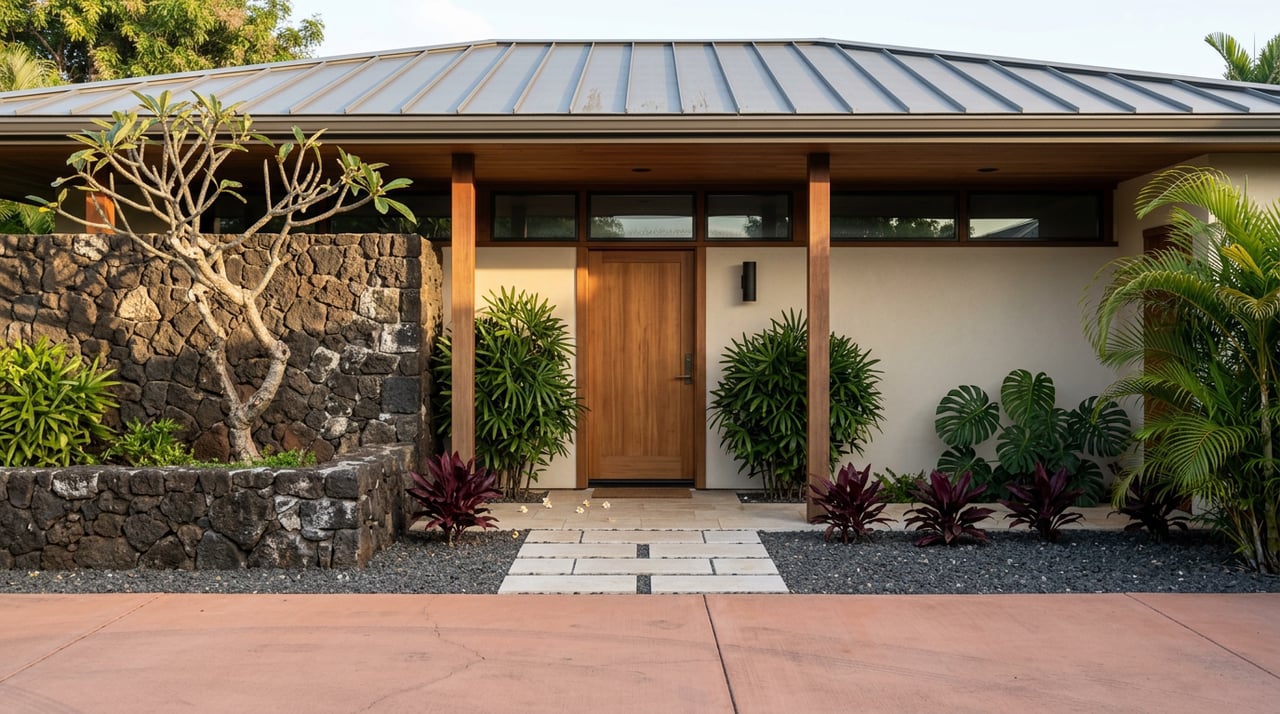
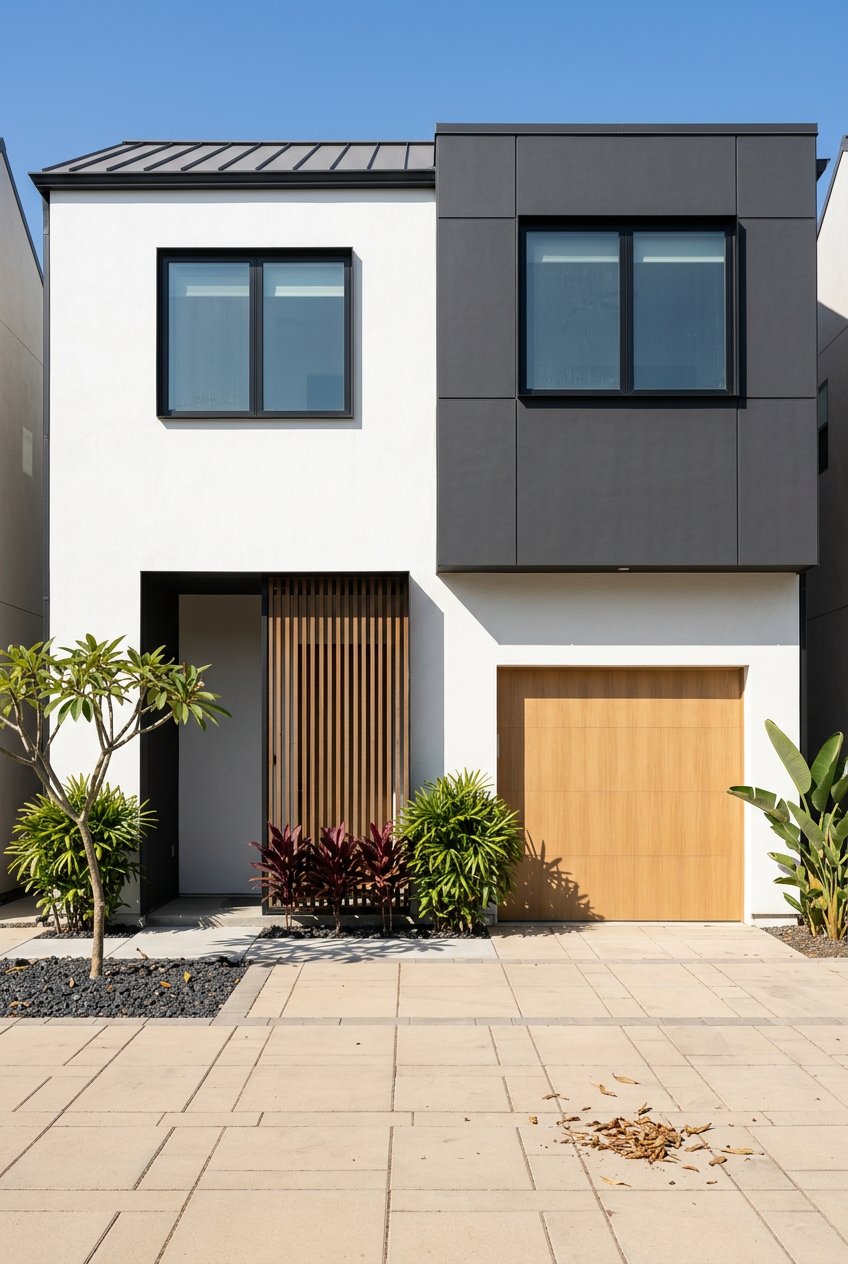
You will find townhomes, duplexes, small detached homes, and a growing mix of condo and townhouse projects across Kapolei, Ho‘opili, ʻEwa, and Ko Olina infill. National and regional builders have been active, and homeowners associations are common in newer projects. For investors, HOA fees and insurance can be meaningful operating costs, so build them into your pro forma from day one.
How product type shapes returns
Townhomes and single‑family rentals in West Oʻahu often attract households who value space and may stay longer, which can reduce turnover costs compared with smaller urban condos. That said, HOAs add governance and assessment risk, and coastal exposure can increase insurance and maintenance. Compare gross rent multipliers and target cap rates across similar product types, then pressure test expenses that are unique to each community.
Key numbers to stress‑test
Underwriting assumptions
- Rents: start with neighborhood‑level data near the property. Use around 2,400 to 2,600 dollars for Waipahu and about 3,300 dollars for Kapolei as reference points, then refine with current comps.
- Vacancy: model 5 to 10 percent, and include modest concessions for new deliveries until stabilized.
- Operating expenses: include HOA dues for townhomes/condos, coastal insurance, professional management, utilities, and higher maintenance for salt‑air exposure. Local single‑family portfolios often budget about 6 to 8 percent for management.
Cap rates and interest rates
After the 2021 low‑rate period, yields adjusted as rates rose. Industry commentary shows multifamily performance stabilizing in 2024 to 2025, but with more conservative underwriting than in prior years. See a national perspective on performance in Multifamily market has stabilized. Align your target cap rate with current local comps and lender terms rather than assuming further compression.
Location factors that move returns
Commute times and tenant choice
The mean commute for Honolulu County is about 27 minutes, and many West Oʻahu residents historically faced longer drives to the urban core. With Skyline now open in the west and expanding toward town, proximity to rail can improve a property’s appeal. Build commute and station access into your rent and vacancy assumptions using local patterns and Census QuickFacts for Honolulu County for baseline context.
New supply and absorption
West Oʻahu has an active pipeline of for‑sale and for‑rent product in Kapolei, Ho‘opili, and ʻEwa, alongside county and state workforce housing efforts. New deliveries can create short‑term concessions pressure near lease‑ups, so track absorption and incentives. Regional reporting notes thousands of units in development across Honolulu County, including major projects in West Oʻahu; see recent coverage in county housing pipeline updates.
Rules that change the math
Short‑term rental limits
Honolulu Ordinance 22‑7 (Bill 41) tightened short‑term rental rules in non‑resort zones and increased enforcement. If your value‑add plan depends on short‑term rental income outside resort districts, you will likely need to pivot to long‑term leases unless a legal nonconforming use applies. Review the background and litigation context in this overview of Ordinance 22‑7, then confirm zoning and compliance before closing.
Landlord‑tenant standards
Hawaii law sets clear rules for security deposits, return timelines, and documentation. As a rule of thumb, residential security deposits are typically capped at one month’s rent, with limited exceptions for pets. For a practical guide, review Hawaii REALTORS security deposit guidance, and align your leases and move‑out process with state timelines.
Flood maps and insurance
FEMA updated Oʻahu Flood Insurance Rate Maps in 2024 to 2025, and some parcels moved into Special Flood Hazard Areas. Lenders can require flood coverage once the maps take effect, which impacts cash flow. Start due diligence with current map status and quotes using state and FEMA update notices, and cross‑check the parcel’s DFIRM panel in the Hawaii State GIS hazards layers.
1031 exchange fit for West Oʻahu
Timing basics you cannot miss
For a deferred 1031 exchange, you must identify replacement property within 45 days and close within 180 days, or by your return due date if earlier with extensions. The asset must be held for investment or business use, and you report the transaction on Form 8824. Review the IRS rules in Publication 544 on like‑kind exchanges and the Instructions for Form 8824.
What counts as replacement property
Rental single‑family homes, townhomes, small multifamily, and condo units held for investment in West Oʻahu generally qualify as like‑kind real property. Be mindful of mortgage boot if you reduce debt, and any cash received is taxable. Coordinate debt replacement and identification strategy with your qualified intermediary and tax advisor early, using the IRS guidance above as your framework.
A focused 1031 checklist for Waipahu
- Confirm investment intent and lease strategy in writing before and after closing.
- Map station access and drive‑times to highlight Skyline proximity for tenants. Use Skyline construction and station info as a reference point.
- Obtain HOA documents, budgets, and any reserve studies for townhomes or condos.
- Verify zoning and short‑term rental compliance. Start with Ordinance 22‑7 background.
- Pull the parcel’s DFIRM status and secure flood and wind quotes. Check update notices at Hawaii Free Press’ FEMA update summary and the State GIS hazards layers.
- Engage your QI immediately upon going under contract so you can document identification within 45 days using Form 8824 instructions.
When West Oʻahu makes sense
Yield and diversification plays
If you are swapping out of a high‑price central Honolulu asset and want better cash flow, West Oʻahu can offer a lower entry price per unit and attractive gross rent multipliers. You also diversify away from tourist‑dependent short‑term rental dynamics, which are more regulated today. Keep underwriting conservative on vacancy, expenses, and exit cap rate, and verify neighborhood‑level rent resilience.
Value‑add and professional management
Look for under‑managed townhomes or small multifamily where better maintenance, resident experience, and marketing can lift rents and reduce turnover. Always confirm HOA rules on rentals before executing upgrades. In coastal areas, budget proactively for insurance and exterior upkeep so improvements translate into net operating income.
Practical next steps
- Define your return target and risk tolerance. Are you optimizing for cash flow, appreciation potential, or both.
- Build a property‑level model with rents, station access, HOA, insurance, and management.
- Tour Waipahu, Ho‘opili, and Kapolei neighborhoods near Skyline stations to gauge demand drivers.
- Line up a local property manager and insurance quotes early.
- If you plan a 1031, calendar the 45‑ and 180‑day deadlines and engage a qualified intermediary upfront.
When you want a clear plan that reflects West Oʻahu’s on‑the‑ground realities, partner with a local team that does this every day. Expect better. Schedule your free market consultation with Jaymes Song to get tailored comps, underwriting support, and a step‑by‑step acquisition plan.
FAQs
Are Waipahu rentals likely to cash flow in 2026?
- Waipahu’s recent rent range around 2,400 to 2,600 dollars and lower entry prices than many central Honolulu pockets can support positive cash flow if you underwrite 5 to 10 percent vacancy and fully load HOA, insurance, and management.
How does Skyline rail affect West Oʻahu investment potential?
- Open stations in West Oʻahu, including Waipahu, improve access to jobs and the airport corridor, which can bolster tenant demand near station catchments; track service details at Honolulu’s Skyline updates.
Are short‑term rentals allowed in Waipahu residential zones?
- Most residential areas outside resort districts face strict limits after Honolulu Ordinance 22‑7; confirm zoning and any legal nonconforming use before you rely on short‑term rental income, and review this Ordinance 22‑7 overview.
What are typical rents in Waipahu and Kapolei right now?
- Recent snapshots show Waipahu near 2,400 to 2,600 dollars and Kapolei around 3,300 dollars, with variation by unit size and exact location; verify with current comps before you write offers.
How do 1031 exchange timelines work for Honolulu investors?
- For a deferred 1031, you identify replacement property within 45 days and close within 180 days, following IRS rules in Publication 544; work with a qualified intermediary and tax pro to avoid boot and timing issues.